

SKU #953
·
5 809 views
Tabu
Insecticides, Acaricides
ZAT «August-Bel», Republic of BelarusUser rating
4 votes100% positive reviews
No ratings yet — be the first.
Method of Application
Seed Treatment
Form of the preparation
Suspension concentrate
Drug Consumption
> 4.0 L/T
Danger Class
2
About product
Reliable systemic seed treatment for early-season protection against soil and surface pests.
Method of Application
Seed Treatment
Form of the preparation
Suspension concentrate
Drug Consumption
> 4.0 L/T
Danger Class
2
Description
Secure Early Growth: The Practical Value of "Tabu"
Successful crop establishment depends on what happens in the first few weeks after sowing. For farms focused on high yields of sugar beet, winter cereals, maize, or potatoes, protecting seedlings from soil-borne pests is a top priority. The insecticide seed treatment "Tabu" from ZAT «Avgust-Bel» is a systemic tool designed to safeguard crops during their most vulnerable stage.
How "Tabu" Works in the Field
"Tabu" is a suspension concentrate based on imidacloprid, a powerful neonicotinoid. Unlike contact-based defenses, this is a systemic product. Once the seed is treated and sown, the active ingredient is absorbed into the germinating plant, creating an internal barrier. When pests like wireworms, cereal flies, leafhoppers, or flea beetles attempt to feed on the emerging sprout, they are effectively controlled before causing irreversible damage.
Field Application Scenarios
- Winter Crops: Essential for protecting winter wheat and barley against cereal flies and leafhoppers during the critical autumn growth phase.
- Row Crops: Used on maize and sugar beet to mitigate the risks posed by soil-dwelling pests, which can drastically reduce plant stand in spring.
- Potatoes: Provides early-season protection against the Colorado potato beetle, ensuring robust initial development.
With an application rate of over 4.0 L/t, "Tabu" is an efficient choice for fields with high pest pressure. Classified as toxicity class 3 and requiring only one application, it streamlines planting operations. Since the protection is systemic, it remains active throughout the development of the root system and primary leaves, providing a buffer that gives the crop a head start. For agronomists managing large-scale operations, "Tabu" serves as a reliable insurance policy against the need for costly replanting.
Composition
Active ingredients
- Imidacloprid инсектицид Неоникотиноиды
Application
Used on crops
Specifications hover over for a hint about the specification
|
Method of Application
Method of Application
Seed treatment — treatment of seeds before sowing. Soil treatment — application of pesticides to soil, for example, in greenhouses. Seed treatment — a preparation used for pre-sowing treatment of seeds of various crops to protect seedlings from plant diseases and pests. In some c... |
|
|---|---|
| Form of the preparation | |
|
Drug Consumption
Drug Consumption
Mass of the preparation per unit of treated area. It is customary to express the dosage rate in kilograms per hectare. The dosage rate is most often given in terms of 100% active ingredient, although sometimes it is calculated based on the preparation in the form of application w... |
> 4.0 L/T |
| Danger Class | 2 |
|
Type of Action
Type of Action
Insecticides are divided into contact, systemic, stomach, and fumigants based on their mode of entry into the organism. Contact insecticides affect insects upon contact with any part of their body, penetrating into their organism through the integument. They are used against pest... |
|
|
Maximum number of treatments
Maximum number of treatments
Maximum recommended number of treatments per vegetation period. |
1 |
| Catalog | Catalog → Insecticides, Acaricides |
| Manufacturer | ZAT «August-Bel», Republic of Belarus |
| Applicant | ЗАТ «Август-Бєл», Республіка Білорусь |
| Country | Belarus |
Store offers · 4 from 4 stores
Prices are updated on loadLoading offers…
Aggregator catalog: prices are collected automatically from store websites, normalized by AI and converted at the current exchange rate. Before ordering, confirm the price and availability on the store's website. This block is not indexed by search engines — the data is loaded after the page opens.
Alternatives
Fodder beet · similar varieties






See also
Often considered together with this variety


Recently viewed
Similar items in this catalog section


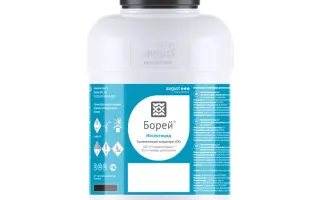
Borey
ЗАТ Фірма Август, Росія.,селище Вурнари,
From your browsing history
27.5K 9 offers
17.6 €за 1 л ≈ 899 ₴



Comments · 0