




SKU #68701
·
33 views
SARBIN
Millet
Federal Agrarian Scientific Center of the South-EastUser rating
0 votes0% positive reviews
No ratings yet — be the first.
Type of Sort
Sort
Resistance to lodging
High
About product

SARBIN is a mid-early variety of cultivated proso millet (Panicum miliaceum L.), developed for agricultural cultivation and recommended for growing in various regions of Russia, including the Right Bank zone of the Volgograd region and the Lower Volga region. The variety is characterized by medium-height plants with large yellow grain, with a weight of 1000 grains ranging from 7.3 to 8.9 grams, wh…
Type of Sort
Sort
Resistance to lodging
High
Description
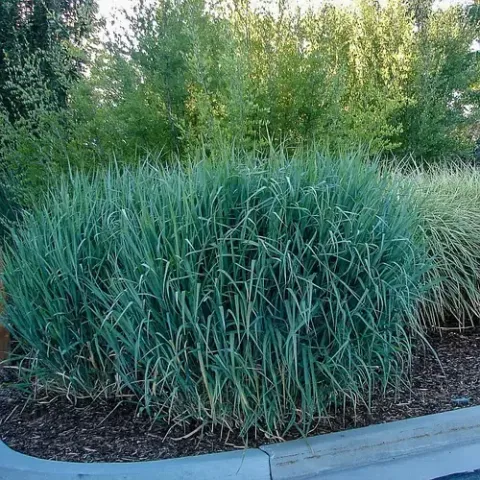
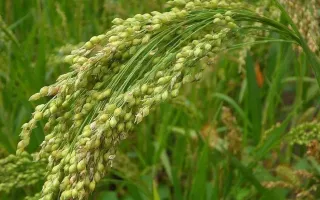
SARBIN is a mid-early variety of cultivated proso millet (Panicum miliaceum L.), developed for agricultural cultivation and recommended for growing in various regions of Russia, including the Right Bank zone of the Volgograd region and the Lower Volga region. The variety is characterized by medium-height plants with large yellow grain, with a weight of 1000 grains ranging from 7.3 to 8.9 grams, which contributes to high yield. Under regional conditions, the yield averages 13.7 centners per hectare, with maximum indicators reaching up to 36.9 centners per hectare. SARBIN belongs to the subaureum variety and was created at the Federal Agrarian Research Center for the South-East.
One of the distinguishing features of the variety is its high resistance to adverse environmental factors such as drought, shattering, and lodging of plants. In addition, SARBIN exhibits high resistance to melanosis and 14 races of the smut pathogen, thanks to the presence of two closely linked resistance genes (Sp 1,3). Plants of the variety have characteristic anthocyanin pigmentation, which manifests on the stem, leaves, and inflorescence, which is an important variety sign.
SARBIN passed state trials in 2017-2019 and has been recommended for cultivation since 2020. Due to its high adaptability, large grain with high carotenoid pigment content, and disease resistance, this variety is a promising choice for agrarians seeking stable and high-quality proso millet harvests.
One of the distinguishing features of the variety is its high resistance to adverse environmental factors such as drought, shattering, and lodging of plants. In addition, SARBIN exhibits high resistance to melanosis and 14 races of the smut pathogen, thanks to the presence of two closely linked resistance genes (Sp 1,3). Plants of the variety have characteristic anthocyanin pigmentation, which manifests on the stem, leaves, and inflorescence, which is an important variety sign.
SARBIN passed state trials in 2017-2019 and has been recommended for cultivation since 2020. Due to its high adaptability, large grain with high carotenoid pigment content, and disease resistance, this variety is a promising choice for agrarians seeking stable and high-quality proso millet harvests.
Crop & resistance
Disease resistance
Specifications
| Type of Sort | |
|---|---|
| Resistance to lodging | |
| Catalog | Catalog → Millet |
| Manufacturer | Federal Agrarian Scientific Center of the South-East |
| Originator | Federal Agrarian Scientific Center of the South-East |
| Originator | Фгбну Федеральный Аграрный Научный Центр Юго-востока |
| Originator | Тихонов Николай Петрович |
| Originator | FGBNU 'NAUChNO-ISSLEDOVATEL'SKIJ INSTITUT SEL'SKOGO HOZYaJSTVA YuGO-VOSTOKA' |
| Patent holder | Federal Agrarian Scientific Center of the South-East |
| Patent holder | FGBNU 'NAUChNO-ISSLEDOVATEL'SKIJ INSTITUT SEL'SKOGO HOZYaJSTVA YuGO-VOSTOKA' |
| Country | Russia |
Store offers · 1 from 1 stores
Prices are updated on loadLoading offers…
Aggregator catalog: prices are collected automatically from store websites, normalized by AI and converted at the current exchange rate. Before ordering, confirm the price and availability on the store's website. This block is not indexed by search engines — the data is loaded after the page opens.
See also
Often considered together with this variety





Recently viewed
Similar items in this catalog section





Comments · 0