
Description
Citrus melanose, caused by the fungus Diaporthe citri (the anamorphic stage is Phomopsis citri), is a significant fungal disease impacting citrus production globally. The disease targets various parts of the tree, primarily affecting the aesthetics and marketability of fruit while causing physiological stress to the canopy.
The host range of Diaporthe citri includes most commercially grown citrus species, such as lemons, oranges, grapefruits, and tangerines. The pathogen is most aggressive toward young, developing tissues. While the disease can manifest on leaves and twigs, the most economically devastating impact occurs when young fruit surfaces are colonized during their early growth stages.
Symptoms of melanose typically appear as small, dark brown to black raised spots that feel rough to the touch, resembling sandpaper. As the fruit matures, these spots may merge into larger, hardened, scab-like areas. Severe infections can lead to fruit distortion, premature dropping, and, in cases of severe leaf infestation, reduced overall plant vigor due to necrosis.
Development and spread of the pathogen are highly dependent on moisture. Spores are produced within pycnidia located on dead twigs and branches, then dispersed by splashing water or heavy dew. Extended periods of rain or high humidity during the critical fruit-set window create the ideal conditions for infection to take hold and proliferate throughout the orchard.
Integrated disease management for citrus melanose relies on both cultural and chemical control measures:
- Rigorous pruning to remove all dead wood and twigs where the fungus overwinters.
- Applying copper-based fungicides during the early fruit development stage to protect sensitive tissue.
- Maintaining optimal tree spacing and pruning practices to improve air circulation and reduce humidity within the canopy.
- Sanitation measures to prevent the buildup of inoculum within the grove.
Контент-граф
Connections · Citrus Melanose
Most often together:
Marketplace
Products · 38






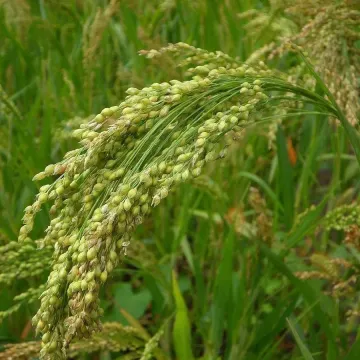

SARATOVSKOE 15
Federal Agrarian Scientific Center of the South-East
Millet
0
0
·
29
3 offers
748.87 €
Купить
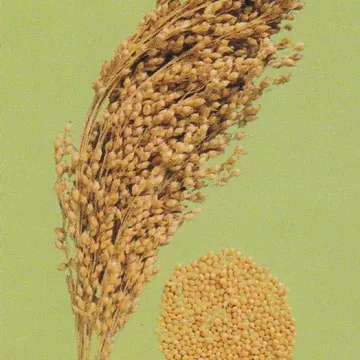
SARATOVSKOE 6
Federal Agrarian Scientific Center of the South-East
Millet
0
0
·
28
2 offers
0.39 €
Купить

STEPNOE 9
ФГБНУ Воронежский ФАНЦ им. В.В. Докучаева
Millet
0
0
·
28
1 offer
226.4 €за 1000 шт
Купить

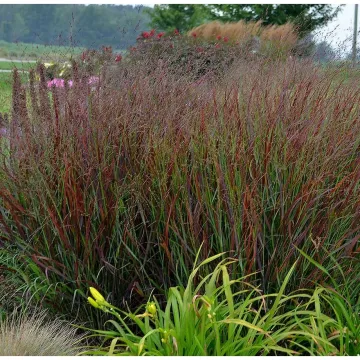


SARATOVSKOYE ZHELTAYE
Federal Agrarian Scientific Center of the South-East
Millet
0
0
·
25
6 offers
0.39 €
Купить


Golden
Federal Agrarian Scientific Center of the South-East
Millet
0
0
·
19
6 offers
540.52 €
Купить




SARATOVSKOE 3
Federal Agrarian Scientific Center of the South-East
Millet
0
0
·
29
No offers
—
Details

Community
Discussion
No discussions yet — be the first.