


SKU #72431
·
57 views
Orfei
Sage
User rating
0 votes0% positive reviews
No ratings yet — be the first.
Medicinal Plants
Sage
Assignment
Medicinal, Aromatic
Shrub Shape
Compact
Leaf Color
Green
About product

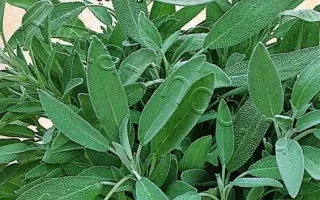
Salvia officinalis (Sage) is a perennial plant distinguished by its bright decorative foliage and beneficial properties. The leaves feature a green inner color with a sun-yellow irregular border along the edges, creating an "cushion" effect up to 50 cm in height when mature. The plant prefers sunny areas and well-drained soil; when planting, it is recommended to add a layer of clay pebbles or grav…
Medicinal Plants
Sage
Assignment
Medicinal, Aromatic
Shrub Shape
Compact
Leaf Color
Green
Description
Salvia officinalis (Sage) is a perennial plant distinguished by its bright decorative foliage and beneficial properties. The leaves feature a green inner color with a sun-yellow irregular border along the edges, creating an "cushion" effect up to 50 cm in height when mature. The plant prefers sunny areas and well-drained soil; when planting, it is recommended to add a layer of clay pebbles or gravel at least five centimeters thick to ensure good drainage.
Proper care for sage involves moderate watering, especially in the first few weeks after planting, to keep the soil slightly moist but not waterlogged. Regular pruning is a key element for maintaining the bush's shape: in spring or summer, shoots can be cut back to 5 cm from the soil level, which stimulates dense and compact growth. In winter, sage is best mulched with bark or peat to protect the root system from freezing.
Sage is widely used in both cooking and medicine. Dried leaves are added to soups, sauces, broths, cheeses, and pickled vegetables, and are also used to flavor meat, fish, and vegetable dishes. The medicinal properties of sage include antibacterial, anti-inflammatory, expectorant, tonic, diuretic, spasmolytic, and wound-healing effects. Sage essential oil is used in the perfume and cosmetics industry for flavoring toothpaste and powders.
Proper care for sage involves moderate watering, especially in the first few weeks after planting, to keep the soil slightly moist but not waterlogged. Regular pruning is a key element for maintaining the bush's shape: in spring or summer, shoots can be cut back to 5 cm from the soil level, which stimulates dense and compact growth. In winter, sage is best mulched with bark or peat to protect the root system from freezing.
Sage is widely used in both cooking and medicine. Dried leaves are added to soups, sauces, broths, cheeses, and pickled vegetables, and are also used to flavor meat, fish, and vegetable dishes. The medicinal properties of sage include antibacterial, anti-inflammatory, expectorant, tonic, diuretic, spasmolytic, and wound-healing effects. Sage essential oil is used in the perfume and cosmetics industry for flavoring toothpaste and powders.
Specifications
| Medicinal Plants | |
|---|---|
| Assignment | |
| Shrub Shape | |
| Leaf Color | |
| Leaf Scent | |
| Catalog | Catalog → Sage |
| Originator | Фгбун Научно-исследовательский Институт Сельского Хозяйства Крыма |
| Country | Russia |
Store offers · 1 from 1 stores
Prices are updated on loadLoading offers…
Aggregator catalog: prices are collected automatically from store websites, normalized by AI and converted at the current exchange rate. Before ordering, confirm the price and availability on the store's website. This block is not indexed by search engines — the data is loaded after the page opens.
See also
Often considered together with this variety






Recently viewed
Similar items in this catalog section


Comments · 0