


SKU #43315
·
41 views
Etyud
Sugar Beet
User rating
0 votes0% positive reviews
No ratings yet — be the first.
Direction Type
Yield Type (E)
Root; shape
Oval-conical
About product

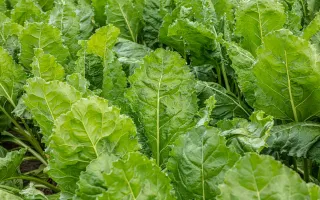
Sugar beet of the 'Etude' variety is a high-yielding and resilient crop, characterized by high potential for yield and sugar content. The root has an oval-conical shape and is approximately 85% buried in the soil, which contributes to good storability and preservation of the product. The leaf rosette is of medium size, dark green in color, and spreading in form, ensuring optimal photosynthetic nut…
Direction Type
Yield Type (E)
Root; shape
Oval-conical
Description
Sugar beet of the 'Etude' variety is a high-yielding and resilient crop, characterized by high potential for yield and sugar content. The root has an oval-conical shape and is approximately 85% buried in the soil, which contributes to good storability and preservation of the product. The leaf rosette is of medium size, dark green in color, and spreading in form, ensuring optimal photosynthetic nutrition for the plant.
This sugar beet variety is distinguished by high resistance to drought, cold, diseases, and lodging, making it a reliable choice for cultivation under various climatic conditions. Thanks to its well-developed root system, capable of absorbing moisture from depths of about 2.5 meters, the plant can effectively withstand drought. The optimal temperature for growth and development is 20-22°C, although photosynthesis proceeds successfully even at temperatures above 40°C. Seeds germinate within a wide temperature range from +4 to +17°C, with emergence time depending on soil temperature.
For successful cultivation of sugar beet of the 'Etude' variety, adequate moisture is essential, especially during the intensive root growth period in July-August. Insufficient moisture can lead to increased nitrogen content in the roots, negatively affecting product quality. During the pre-harvest period, the crop can withstand frosts down to -5°C without damage to sugar accumulation, although lower temperatures may halt this process. The variety is recommended for medium harvest times, enabling the production of high-quality, high-sugar roots.
This sugar beet variety is distinguished by high resistance to drought, cold, diseases, and lodging, making it a reliable choice for cultivation under various climatic conditions. Thanks to its well-developed root system, capable of absorbing moisture from depths of about 2.5 meters, the plant can effectively withstand drought. The optimal temperature for growth and development is 20-22°C, although photosynthesis proceeds successfully even at temperatures above 40°C. Seeds germinate within a wide temperature range from +4 to +17°C, with emergence time depending on soil temperature.
For successful cultivation of sugar beet of the 'Etude' variety, adequate moisture is essential, especially during the intensive root growth period in July-August. Insufficient moisture can lead to increased nitrogen content in the roots, negatively affecting product quality. During the pre-harvest period, the crop can withstand frosts down to -5°C without damage to sugar accumulation, although lower temperatures may halt this process. The variety is recommended for medium harvest times, enabling the production of high-quality, high-sugar roots.
Specifications hover over for a hint about the specification
| Direction Type | |
|---|---|
|
Root; shape
Root; shape
Roots can be round, elongated-round, cylindrical, conical. |
|
| Catalog | Catalog → Sugar Beet |
| Originator | Sugar Beet Institute UAAS |
| Country | Ukraine |
Store offers
Prices are updated on loadLoading offers…
Aggregator catalog: prices are collected automatically from store websites, normalized by AI and converted at the current exchange rate. Before ordering, confirm the price and availability on the store's website. This block is not indexed by search engines — the data is loaded after the page opens.
See also
Often considered together with this variety


Recently viewed
Similar items in this catalog section








Comments · 0