


SKU #43660
·
38 views
Nency
Sugar Beet
MARIBO SEEDUser rating
0 votes0% positive reviews
No ratings yet — be the first.
Direction Type
Normal-Yield Type (NE)
Ploidy Type
Diploid
Root vegetable; size
Medium
Root; shape
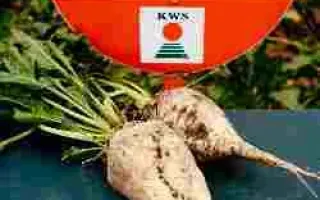
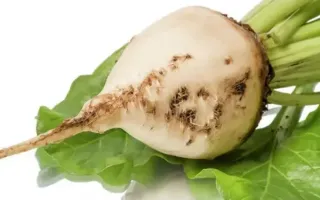
Oval-conical
About product

Sugar beet hybrid Nency is a medium-maturing diploid hybrid intended for high yields with high sugar content. The roots have an oval-conical shape and contain 17–18% sugar, ensuring yields of 45–60 tons per hectare. Plants are characterized by single-stemmed growth, strong early growth, and uniform growth rate and habit, which contribute to even crop development and high final plant density in the…
Direction Type
Normal-Yield Type (NE)
Ploidy Type
Diploid
Root vegetable; size
Medium
Root; shape
Oval-conical
Description
Sugar beet hybrid Nency is a medium-maturing diploid hybrid intended for high yields with high sugar content. The roots have an oval-conical shape and contain 17–18% sugar, ensuring yields of 45–60 tons per hectare. Plants are characterized by single-stemmed growth, strong early growth, and uniform growth rate and habit, which contribute to even crop development and high final plant density in the field. The optimal plant density before harvest is 85–100 thousand plants per hectare, ensuring maximum crop productivity.
Hybrid Nency is distinguished by high resistance to adverse conditions, including drought, cold, and diseases such as ramulariosis and lodging. The crop is cold-tolerant and drought-resistant, but especially requires moisture during seed germination and root formation. For successful cultivation, seed should be sown at a depth of 6–7 cm when soil temperature reaches 6–8°C, and soil pH should be maintained within the range of 6.5–7.5, with mandatory liming required in case of high acidity.
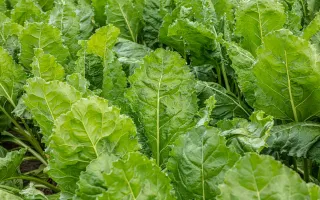
Sugar beet Nency is well-suited for cultivation in all regions of the sugar beet-growing zone and exhibits good suitability for mechanical harvesting. The recommended harvest time is October, corresponding to average harvest dates. The plant's leaf rosette is of medium size and dark green color, while the root is located approximately 85% below the soil surface, which contributes to good storability and product preservation after harvest.
Hybrid Nency is distinguished by high resistance to adverse conditions, including drought, cold, and diseases such as ramulariosis and lodging. The crop is cold-tolerant and drought-resistant, but especially requires moisture during seed germination and root formation. For successful cultivation, seed should be sown at a depth of 6–7 cm when soil temperature reaches 6–8°C, and soil pH should be maintained within the range of 6.5–7.5, with mandatory liming required in case of high acidity.
Sugar beet Nency is well-suited for cultivation in all regions of the sugar beet-growing zone and exhibits good suitability for mechanical harvesting. The recommended harvest time is October, corresponding to average harvest dates. The plant's leaf rosette is of medium size and dark green color, while the root is located approximately 85% below the soil surface, which contributes to good storability and product preservation after harvest.
Crop & resistance
Disease resistance
Specifications hover over for a hint about the specification
| Direction Type | |
|---|---|
| Ploidy Type | |
| Root vegetable; size | |
|
Root; shape
Root; shape
Roots can be round, elongated-round, cylindrical, conical. |
|
| Sugar Content | 17-18% |
|
Recommended Density
Recommended Density
Optimal productivity is achieved at a planting density of 4000-5500 plants/ha. Possible planting scheme: 300-500x40-80 cm. |
80-90 thous. pcs/ha |
| Catalog | Catalog → Sugar Beet |
| Manufacturer | MARIBO SEED |
| Country | Denmark |
Store offers
Prices are updated on loadLoading offers…
Aggregator catalog: prices are collected automatically from store websites, normalized by AI and converted at the current exchange rate. Before ordering, confirm the price and availability on the store's website. This block is not indexed by search engines — the data is loaded after the page opens.
See also
Often considered together with this variety


Recently viewed
Similar items in this catalog section






Comments · 0