


SKU #58496
·
18 views
AS 10277
Sunflower
SyngentaUser rating
0 votes0% positive reviews
No ratings yet — be the first.
Oil Content
50-55%
Vegetation Period
100-110 days, 110-120 days
Plant; height
160-170 cm, 170-180 cm
Basket; size
Large
About product

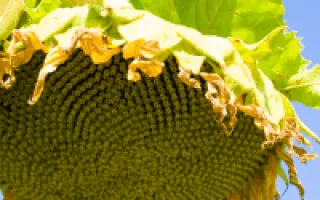
Sunflower AS 10277 is a mid-early hybrid with a vegetation period of about 108–120 days, ensuring optimal maturity timing and high productivity. This hybrid features an intensive growth type, reaching plant heights of 165–180 cm, with large flower heads of 20–22 cm diameter. Due to its rapid early growth and well-developed root system, sunflower demonstrates high drought and lodging resistance, wh…
Oil Content
50-55%
Vegetation Period
100-110 days, 110-120 days
Plant; height
160-170 cm, 170-180 cm
Basket; size
Large
Description
Sunflower AS 10277 is a mid-early hybrid with a vegetation period of about 108–120 days, ensuring optimal maturity timing and high productivity. This hybrid features an intensive growth type, reaching plant heights of 165–180 cm, with large flower heads of 20–22 cm diameter. Due to its rapid early growth and well-developed root system, sunflower demonstrates high drought and lodging resistance, which is especially important for stable yields under various climatic conditions.
AS 10277 has high resistance to major sunflower diseases, including fusarium, phomopsis, white and gray mold, as well as new races of downy mildew, enabling effective cultivation on fields with high infection risk. The hybrid is adapted for use with modern protection technologies, including herbicides based on tribenuron-methyl (Granstar, Express), providing reliable weed control and helping maintain yield potential.
The yield potential of sunflower AS 10277 reaches 51–58 ц/га with oil content in seeds up to 55%, making it attractive for high-quality oil production. The hybrid responds well to high agronomic inputs, including mineral fertilizers, and develops optimally at a plant density of 50–55 thousand plants per hectare. All these characteristics make AS 10277 a reliable choice for intensive and sustainable sunflower cultivation.
AS 10277 has high resistance to major sunflower diseases, including fusarium, phomopsis, white and gray mold, as well as new races of downy mildew, enabling effective cultivation on fields with high infection risk. The hybrid is adapted for use with modern protection technologies, including herbicides based on tribenuron-methyl (Granstar, Express), providing reliable weed control and helping maintain yield potential.
The yield potential of sunflower AS 10277 reaches 51–58 ц/га with oil content in seeds up to 55%, making it attractive for high-quality oil production. The hybrid responds well to high agronomic inputs, including mineral fertilizers, and develops optimally at a plant density of 50–55 thousand plants per hectare. All these characteristics make AS 10277 a reliable choice for intensive and sustainable sunflower cultivation.
Crop & resistance
Disease resistance
Specifications hover over for a hint about the specification
| Oil Content | 50-55% |
|---|---|
| Vegetation Period | 100-110 days, 110-120 days |
| Plant; height | 160-170 cm, 170-180 cm |
| Basket; size | |
|
Herbicide Tolerance
Herbicide Tolerance
Unique combination of the herbicide EURO-LIGHTNING®, containing two active ingredients of the imidazolinone class, and high-yielding hybrids resistant to this herbicide, developed using traditional selection methods (without genetic engineering). Advantages of using CLEARFIELD te... |
|
| Catalog | Catalog → Sunflower |
| Manufacturer | Syngenta |
| Originator | Syngenta |
| Country | Switzerland |
Store offers
Prices are updated on loadLoading offers…
Aggregator catalog: prices are collected automatically from store websites, normalized by AI and converted at the current exchange rate. Before ordering, confirm the price and availability on the store's website. This block is not indexed by search engines — the data is loaded after the page opens.
See also
Often considered together with this variety




Recently viewed
Similar items in this catalog section


Comments · 0