
Gray mold
Botrytis cinerea
Description
Gray mold is a destructive fungal disease caused by the necrotrophic pathogen Botrytis cinerea. This fungus is highly versatile and notoriously difficult to control, as it can survive in the soil and on crop debris for long periods, transitioning between saprophytic and parasitic stages depending on environmental conditions.
The pathogen has a vast host range, affecting hundreds of plant species. Notable crops susceptible to gray mold include onions, garlic, celery, peanuts, asparagus, fodder beet, winter oilseed rape, and anemone coronaria. In these crops, the fungus often enters through wounds, frost damage, or senescing plant parts.
Symptoms are typically characterized by necrotic, water-soaked lesions that eventually become covered with a dense, gray, fuzzy mass of spores. This sporulation is the primary means of rapid secondary spread. As the fungus secretes enzymes to break down plant cell walls, tissues quickly soften and collapse, often leading to total crop loss if left untreated.
Development of Botrytis cinerea is driven by environmental conditions. High humidity levels exceeding 85% and cool to moderate temperatures are critical for infection. Poor air circulation and free moisture on leaf surfaces are the primary drivers of disease outbreaks, particularly in high-density plantings or protected environments like greenhouses.
Effective management strategies require an integrated approach including strict sanitation to remove infected tissue, maintaining proper plant spacing to improve airflow, and careful irrigation management to keep foliage dry. Preventive fungicide applications are common in commercial agriculture, though rotating chemical classes is essential to manage the risk of resistance development within fungal populations.
Biology
Pathogens and affected parts
Pathogens
Botrytis cinerea· fungus
Botryotinia fuckeliana· fungus
Botrytis· fungus
Botryotinia fuckelinana· fungus
Botrytis tracheiphila· fungus
Botrytis squamosa· fungus
Botrytis porri· fungus
Botrytis aclada· fungus
Botrytis byssoidea· fungus
Botryotinia ricini· fungus
Amphobotrys ricini· fungus
Botrytis ricini· fungus
Affected plant parts
whole plantstemfruitflowerleafear
Content graph
Affects crops · 60
AlfalfaAlmondAppleApricotArabica coffeeAsparagusAuriculaBalsamBarberton daisyBleeding heart vineBrowallia speciosaCarnationCarpathian bellflowerCattleyaCeleryChickpeaCitrusCommon beanCommon hopCommon pearCongo coffeeDahliaDouglas FirDuracina cherryFairy primroseFodder beetFuchsiaGarlicGeraniumIndustrial hempIvy-leaved pelargoniumJerusalem artichokeLentilLettuceMango treeMimulusOnionPassiflora L.PeaPeachPeanutPersian cyclamenPersian violetPistachioPoinsettiaPoppy anemonePrimrosePrimula obconicaSafflowerScented GeraniumSlipper FlowerSour cherryStrawberrySunflowerSweet PepperSweet potatoTobaccoTurnipWatermelonWinter rapeseed
Контент-граф
Connections · Gray mold
Most often together:
Nutrient elements
1 связь
Marketplace
Products · 1487
All 1487
Sunflower 707
Fungicides 240
Grape 196
Raspberry, Strawberry 50
Raspberry 38
Tomato 31
Peony 26
Corn 19
Cabbage 16
Tulips 15
Plant Growth Regulator 11
Biological Products 11


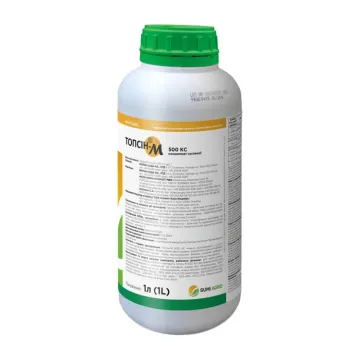
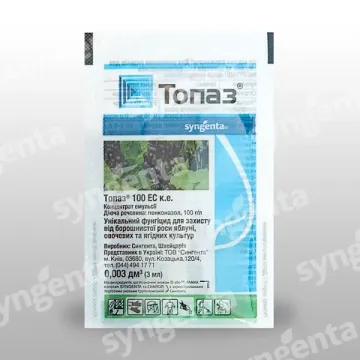


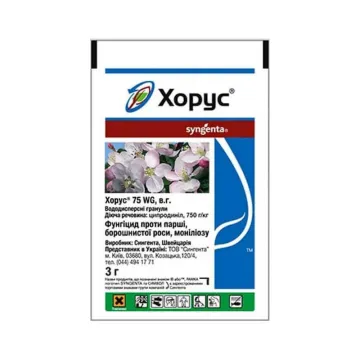

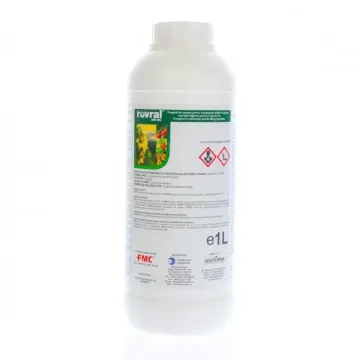
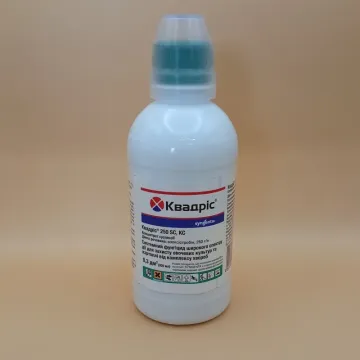
Rovral Aquaflow
БАСФ Агро БВ, Швейцарія, на заводі , Франція,Італія (Сієна)
Fungicides
0
0
·
4.1K
6 offers
13.6 €за 1 л
Купить






Thiophanate Extra
Sunrise Agrochemical Co., Ltd.
Fungicides
0
0
·
2.3K
14 offers
11.3 €за 1 л
Купить




Lancaster
China Chemical Industrial & Rice Co. Ltd
Herbicides, Desiccants
0
0
·
1.7K
6 offers
5.6 €за 1 л
Купить





Community
Discussion
No discussions yet — be the first.