

SKU #72260
·
49 views
FIRE FRESH
Swiss Chard
SAKATAUser rating
0 votes0% positive reviews
No ratings yet — be the first.
Leaf Color
Dark green
Vegetation Period
40-50
Assignment
For Fresh Consumption, Culinary
Growing Type
Open ground
About product

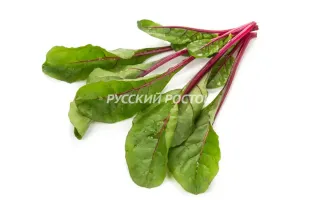
FIRE FRESH – an early, high-yield leaf beet (chard) that matures quickly within 40‑45 days from seedling emergence. The culture is cold-hardy, allowing it to be grown even at low temperatures. Fertile and loose soils providing adequate moisture levels are necessary for optimal growth.The leaves of FIRE FRESH chard have a characteristic appearance: a dark‑green glossy leaf with purplish stalks. The…
Leaf Color
Dark green
Vegetation Period
40-50
Assignment
For Fresh Consumption, Culinary
Growing Type
Open ground
Description
FIRE FRESH – an early, high-yield leaf beet (chard) that matures quickly within 40‑45 days from seedling emergence. The culture is cold-hardy, allowing it to be grown even at low temperatures. Fertile and loose soils providing adequate moisture levels are necessary for optimal growth.
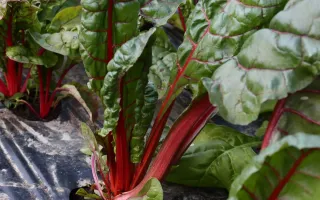
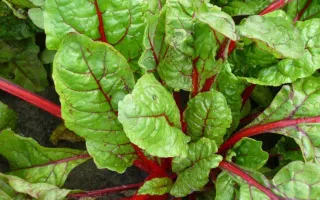
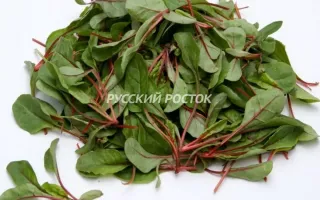
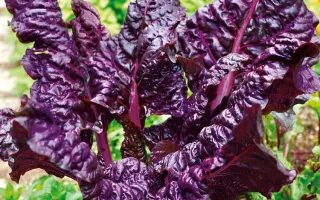
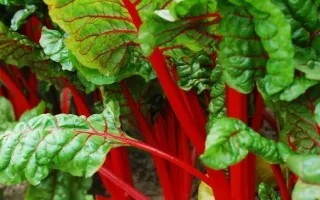
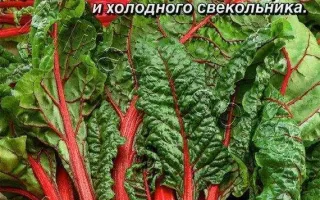
The leaves of FIRE FRESH chard have a characteristic appearance: a dark‑green glossy leaf with purplish stalks. They form a vertical rosette up to 26 cm high and possess a dense texture, making them an attractive decorative element in the garden or flower bed. Due to their rich content of vitamins, carotene, and other organic substances, the leaves are a valuable source of nutrients.
Agricultural practices include sowing seeds for seedlings at the end of March‑April, transplanting into soil in May, and open ground in April. Multiple cuttings are recommended to maintain yield and stimulate the growth of new shoots. Chard is also well‑suited for producing baby leaves just 23 days after seedling emergence, allowing for quick acquisition of fresh leaves for salads, borscht, stuffed cabbage, as well as stewing, pickling, and canning.
The leaves of FIRE FRESH chard have a characteristic appearance: a dark‑green glossy leaf with purplish stalks. They form a vertical rosette up to 26 cm high and possess a dense texture, making them an attractive decorative element in the garden or flower bed. Due to their rich content of vitamins, carotene, and other organic substances, the leaves are a valuable source of nutrients.
Agricultural practices include sowing seeds for seedlings at the end of March‑April, transplanting into soil in May, and open ground in April. Multiple cuttings are recommended to maintain yield and stimulate the growth of new shoots. Chard is also well‑suited for producing baby leaves just 23 days after seedling emergence, allowing for quick acquisition of fresh leaves for salads, borscht, stuffed cabbage, as well as stewing, pickling, and canning.
Specifications
| Leaf Color | |
|---|---|
| Vegetation Period | 40-50 |
| Assignment | |
| Growing Type | |
| Catalog | Catalog → Swiss Chard |
| Manufacturer | SAKATA |
| Originator | SAKATA |
| Country | Japan |
Store offers
Prices are updated on loadLoading offers…
Aggregator catalog: prices are collected automatically from store websites, normalized by AI and converted at the current exchange rate. Before ordering, confirm the price and availability on the store's website. This block is not indexed by search engines — the data is loaded after the page opens.
See also
Often considered together with this variety





Recently viewed
Similar items in this catalog section






Comments · 0