

Pest · Diptera (flies)
Proso millet gall midge
Clinodiplosis cilicrus
Description
The proso millet gall midge (Clinodiplosis cilicrus) is a species of the Cecidomyiidae family within the Diptera order. These are tiny insects whose larvae are known as specialized plant feeders, often causing significant damage to the reproductive structures of cereal crops, particularly proso millet.
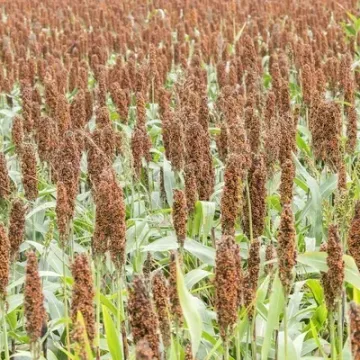
The pest primarily targets proso millet fields, although it can be found on other related grasses. Its population dynamics are heavily influenced by environmental factors, with warm and humid conditions during the heading stage of the crop favoring rapid reproduction and higher infestation rates.
The life cycle consists of several stages: egg, larva, pupa, and adult. Overwintering occurs in the soil as larvae, which pupate during the spring. The emerging adults migrate to the flowering millet, where they deposit eggs within the spikelets, ensuring the larvae have immediate access to a food source upon hatching.
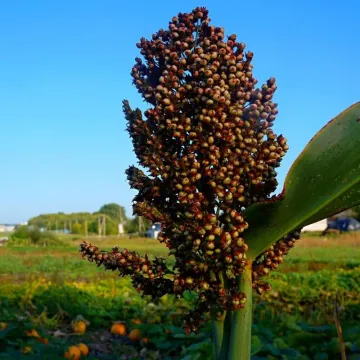
Damage is characterized by larvae feeding on the developing grains within the florets. This feeding process results in aborted ovules, deformed grain, or completely empty spikelets. The cumulative effect of larval feeding often leads to severe yield losses if management practices are not implemented in time.
Integrated pest management strategies are crucial for controlling Clinodiplosis cilicrus effectively:
- Implementation of crop rotation to break the pest's cycle and reduce larval populations in the soil.
- Deep tillage practices to bury or destroy overwintering larvae effectively.
- Selection of resistant or early-maturing cultivars that escape peak midge activity.
- Timely application of systemic or contact insecticides during the adult flight period to prevent egg laying.
Biology
Taxonomy
- Latin name
- Clinodiplosis cilicrus
- Order
- Diptera (flies)
- Family
- Cecidomyiidae
Taxonomy and Latin: EPPO Global Database · code CLINPA
Контент-граф
Connections · Proso millet gall midge
Most often together:
Marketplace
Products · 10






Community
Discussion
No discussions yet — be the first.