
Garden orache
Atriplex hortensis L.
Description
Garden orache (Latin: Atriplex hortensis L.) is an annual plant belonging to the Amaranthaceae family. Historically recognized as a traditional leafy green, it is often referred to as mountain spinach. In modern agriculture, it is valued for its ability to produce abundant biomass under varying environmental conditions, acting as both a culinary vegetable and a nutritious fodder crop.
Originating from the regions of Central Asia, garden orache has historically been naturalized throughout Europe, North Africa, and parts of North America. Its adaptability allowed it to transition from a wild-growing herb to a cultivated garden staple. Today, it is primarily found in small-scale vegetable gardens and is occasionally grown as an alternative crop in organic farming systems.
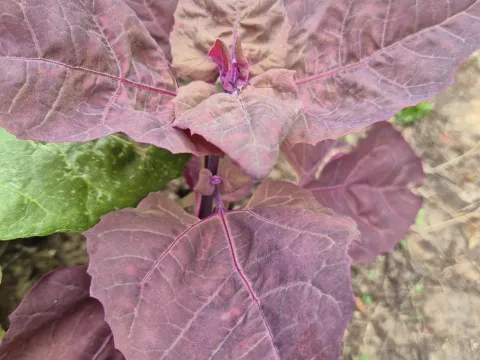
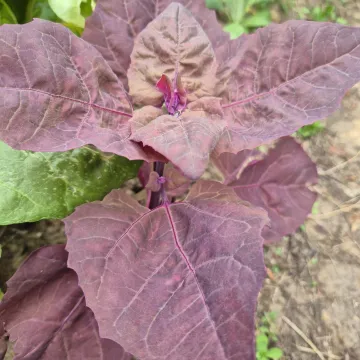
Botanically, this species is characterized by its tall, sturdy, and often branched stems, which can reach heights of up to two meters. The leaves are typically triangular or arrowhead-shaped and exhibit significant color polymorphism, ranging from light green to deep reddish-purple. The plant produces small, inconspicuous flowers in terminal spikes, followed by the production of numerous seeds that are highly resistant to environmental stressors.
The crop is highly resilient, thriving in a wide range of climates from cool-temperate to semi-arid regions. It prefers deep, well-draining soils rich in organic matter. Agronomic practices are relatively simple: sowing takes place in early spring directly into the soil. Because it grows rapidly, it requires regular nitrogen availability and consistent moisture in the early stages of development to produce high-quality foliage.
Beyond its culinary utility, where it serves as a mild, iron-rich alternative to spinach, garden orache is utilized in livestock feeding programs due to its high crude protein content. When managing this crop, farmers must be vigilant against common pests such as aphids and leaf miners. To maintain plant health, it is recommended to practice proper crop rotation and avoid overcrowded planting, which can exacerbate susceptibility to fungal diseases like powdery mildew.
Photo gallery