Bursera fagaroides
Bursera fagaroides (Kunth) Engl.
Description
Bursera fagaroides is a remarkable species belonging to the Burseraceae family. It is widely recognized for its caudiciform habit, meaning it develops a swollen, water-storing trunk. This structural adaptation allows the plant to thrive in arid environments, making it a distinct and sought-after specimen in horticulture.
The native range of this plant is primarily focused in Mexico and parts of the southwestern United States. It is typically found in tropical deciduous forests and mountainous regions with rocky, well-draining terrain. This geographical adaptation makes it highly resistant to drought but sensitive to extended periods of cold and damp conditions.
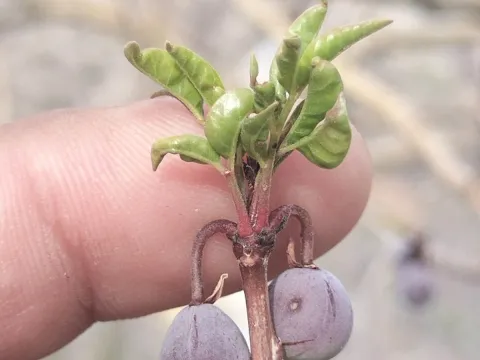
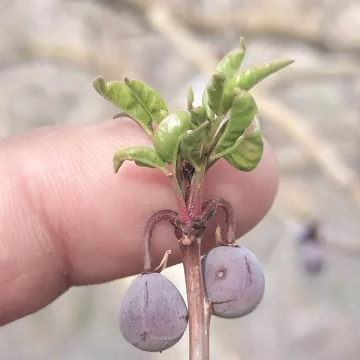
Botanically, it is characterized by its smooth, peeling bark and pinnate leaves. As a deciduous plant, it undergoes a distinct dormant phase during which it sheds its leaves to conserve energy. Its flowers are small and inconspicuous, emerging typically before the new foliage, adding to the plant's unique seasonal biological cycle.
Agricultural and horticultural requirements center on mimicking its natural arid habitat. The soil must be highly porous and mineral-based to ensure proper drainage. During the growing season, a cycle of thorough watering followed by a drying-out period is essential. In winter, the plant must be kept dry and in a temperature-controlled environment to prevent rot.
The economic significance of Bursera fagaroides is largely derived from the aromatic resin it produces, historically referred to as "linaloe." This resin is harvested for its essential oils, which are highly valued in the perfume and fragrance industries. Furthermore, the species is frequently utilized in bonsai cultivation due to its ability to develop thick, gnarled trunks that mimic ancient, weather-beaten trees.
- Requires full sun exposure for healthy development.
- Propagation is best achieved through fresh seeds or cuttings.
- Prone to root rot if soil moisture is not managed properly.
- Occasional pruning helps maintain a desirable architectural shape.
Photo gallery