Bursera glabrifolia
Bursera glabrifolia (Kunth) Engl.
Description
Bursera glabrifolia is a notable tree species belonging to the family Burseraceae, widely recognized for its high-value essential oil content. In international trade, the essential oil extracted from its wood is commonly referred to as linaloe oil, which is highly sought after for its distinct aromatic profile. The plant is of significant interest to the perfumery and pharmaceutical industries globally.
The native range of this species is centered in the tropical dry forests of Mexico. As a plant adapted to arid and semi-arid conditions, Bursera glabrifolia thrives in environments where seasonal drought is a dominant climatic feature. Successful cultivation requires a deep understanding of these environmental requirements, as the tree exhibits specific physiological responses to varying water availability.
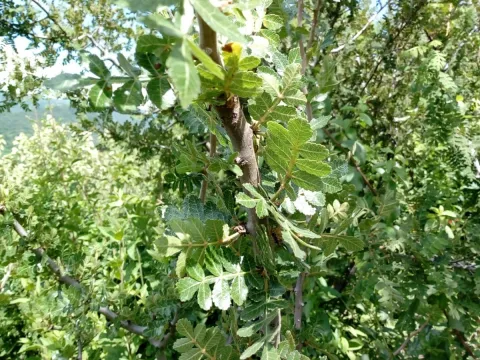
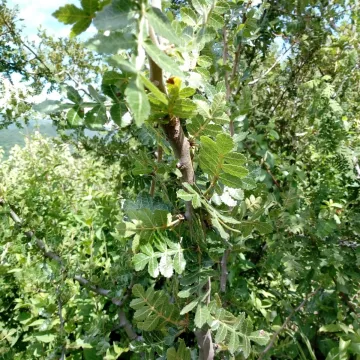
Botanically, the plant is characterized by its deciduous nature and smooth, exfoliating bark. The leaves are compound and highly aromatic, containing resin ducts. The tree reaches moderate heights and possesses a slow growth rate, which necessitates long-term management strategies for commercial plantations. The quality and yield of the essential oil are directly correlated with the maturity of the wood and the specific growth conditions provided.
Agronomic management involves selecting well-draining, rocky, or sandy loam soils. Waterlogging is the most significant limiting factor, as it leads to root rot and other systemic infections. Propagation is typically achieved through seeds, although vegetative propagation techniques are researched to standardize plantation yields. Weed control during the early stages of tree establishment is essential to ensure healthy growth and prevent resource competition.
The primary economic use is the distillation of linaloe oil, used as a key ingredient in luxury cosmetics and fragrances. Additionally, the wood is sometimes used for small-scale artisanal crafts. Regarding plant health, producers must be vigilant against xylophagous insects (wood-boring beetles) and root pathogens that thrive in improperly drained soils. Integrated pest management (IPM) is recommended to maintain sustainable yield levels.
Photo gallery