Bushy rattlepod
Crotalaria grahamiana Wight & Arn.
Description
Bushy rattlepod (Crotalaria grahamiana) is a prominent shrub belonging to the Fabaceae family. This species is widely recognized in tropical agriculture as a robust leguminous crop capable of significant biomass production and atmospheric nitrogen fixation, playing a crucial role in modern agroforestry and soil fertility management.
The plant originates from the tropical regions of India and Southeast Asia. Over time, it has been successfully introduced to various tropical landscapes in Africa and the Americas. Its natural range is defined by high-temperature regimes and stable moisture levels, making it an ideal choice for tropical soil rehabilitation projects.
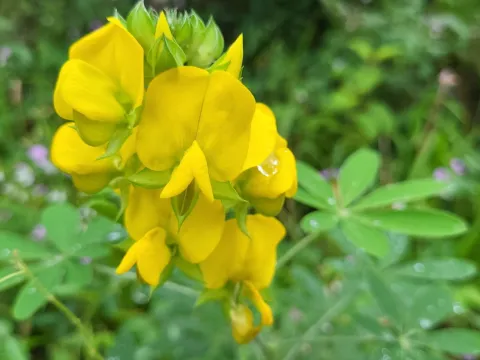
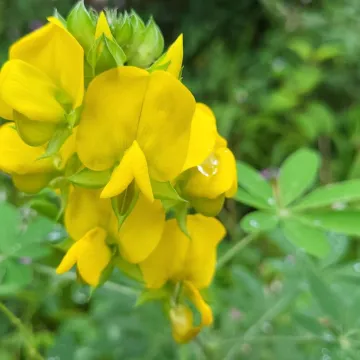
Morphologically, Crotalaria grahamiana is a multi-branched, erect shrub that can reach heights of up to 3 meters. The leaves are typically trifoliate and covered with fine hairs, which help the plant thrive under intense sunlight. Its flowers are brilliant yellow, followed by inflated pods that contain hard seeds, which shake in the wind when dry.
Successful cultivation of bushy rattlepod requires well-drained, fertile soil. The crop is highly sensitive to waterlogging, so site selection is paramount. Agronomic practices involve planting during the onset of the wet season and managing the biomass by incorporating it into the soil before the pod maturity stage to optimize nutrient recycling.
Host use is versatile, ranging from green manure to cover cropping and erosion control. Despite its resilience, farmers must monitor for common issues:
- Root-knot nematodes.
- Pod borers and leaf-eating insects.
- Fungal blight under excessive moisture.
Photo gallery