Pignut hickory
Carya glabra (Mill.) Sweet
Description
Pignut hickory, scientifically known as Carya glabra, is a deciduous tree species in the walnut family, Juglandaceae. It is a robust hardwood tree that plays a crucial role in temperate forest ecosystems. Known for its longevity and dense wood, it has been a significant species for both ecological preservation and timber production in its native range.
The native distribution of Pignut hickory covers a wide area across the eastern United States. It naturally thrives in diverse habitats ranging from dry ridges to moist slopes and river valleys. Its widespread presence throughout its native range is a testament to its remarkable adaptability to varying soil types and climate conditions, making it a reliable species for managed forestry operations.
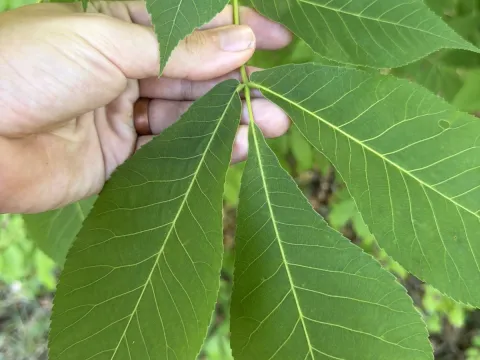
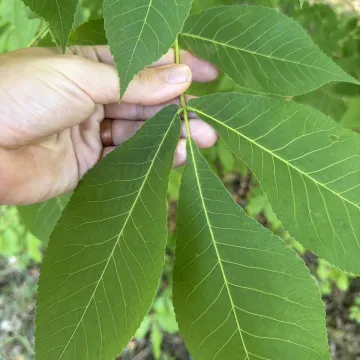
Botanically, Carya glabra is characterized by its pinnately compound leaves and small, bitter nuts enclosed in thin husks. The tree's growth rate is moderate, and it develops a deep taproot, which allows it to access groundwater and survive periods of drought. The wood is exceptionally hard, strong, and shock-resistant, qualities that have made it highly desirable for tool handles and furniture construction.
Successful cultivation requires deep, well-drained soils and full sun exposure for optimal development. While it is relatively low-maintenance once established, young trees benefit significantly from protection against weed competition and adequate moisture during the first few years. Proper site selection is vital, as the species does not perform well in poorly drained or compacted, anaerobic soil conditions.
- Exceptional density and toughness of the timber.
- High tolerance for environmental variability.
- Valuable resource for wildlife as a food source.
- Significant aesthetic and shade value in landscapes.
As with many hardwood species, Pignut hickory is susceptible to specific pests and diseases, such as leaf spot fungi and various wood-boring insects. Agronomic management involves consistent monitoring of foliage health and stem condition. By maintaining healthy growth through balanced nutrient management and timely pruning, growers can successfully mitigate these risks and ensure the long-term viability of their hickory stands.
Photo gallery