Golden shower tree
Cassia fistula L.
Description
The Golden shower tree (Cassia fistula L.) is a prominent deciduous tree belonging to the Fabaceae family. Renowned globally for its striking cascading yellow blossoms, this species is cultivated extensively throughout tropical and subtropical regions for both ornamental purposes and its significant medicinal properties.
Originally native to the Indian subcontinent and neighboring regions of Southeast Asia, the tree has since been introduced to various tropical zones worldwide. It thrives in climates characterized by warm temperatures and distinct wet and dry seasons. The tree is intolerant of frost, requiring frost-free environments to maintain health and ensure annual flowering cycles.
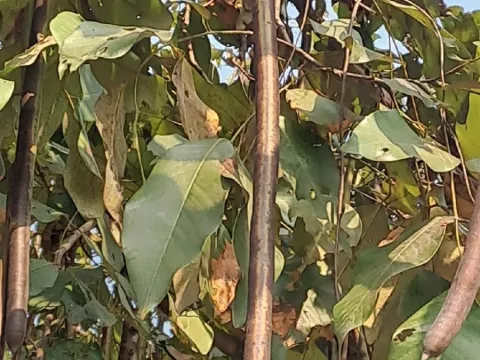
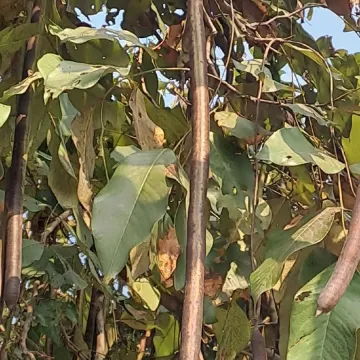
Botanically, the tree reaches a height of 10–20 meters and features pinnate leaves. The defining characteristic of Cassia fistula is its long, pendulous racemes that bloom in a brilliant yellow hue. The fruit is a long, cylindrical pod that can grow up to 60 cm in length, containing seeds embedded in a dark, sweet pulp that is the primary focus of its pharmacological utility.
Cultivation requires deep, well-drained loamy soils with a neutral pH. The tree is drought-tolerant once established, but optimal growth and flowering are achieved with consistent moisture during the active vegetative phase. Propagation is primarily carried out via seeds, which necessitate mechanical scarification to break dormancy and ensure uniform germination across the seedbed.
The economic value of this crop is multifaceted:
- Medicinal: The pulp of the pods is a widely used laxative in traditional and modern herbal medicine.
- Industrial: Its hard, durable wood is utilized in furniture manufacturing and construction.
- Ornamental: It is a staple in tropical landscape architecture for its aesthetic appeal.
The primary challenges in management include susceptibility to powdery mildew and various leaf-spot pathogens, particularly in humid conditions. Pests such as aphids and certain lepidopteran larvae may also affect the foliage. Integrated Pest Management (IPM) strategies, including canopy thinning for better air circulation and targeted applications of organic pesticides, are essential for preserving the tree's health.
Photo gallery