Centrosema macrocarpum
Centrosema macrocarpum Benth.
Description
Centrosema macrocarpum is a perennial leguminous vine belonging to the Fabaceae family. Renowned for its vigorous growth and ability to thrive in tropical environments, this plant serves as a vital component in sustainable agricultural systems. Its capacity for atmospheric nitrogen fixation makes it a superior choice for farmers looking to enhance soil fertility naturally.
The species is native to the tropical regions of Central and South America. Its natural range encompasses countries with diverse climates, from humid forests to tropical savannas. Because of its adaptability, it has been introduced to various tropical regions worldwide, where it performs exceptionally well as an improvement crop for degraded pastures and lands.
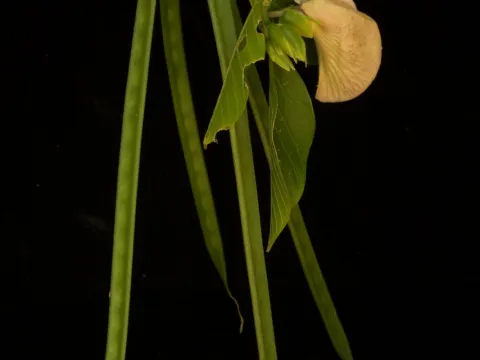
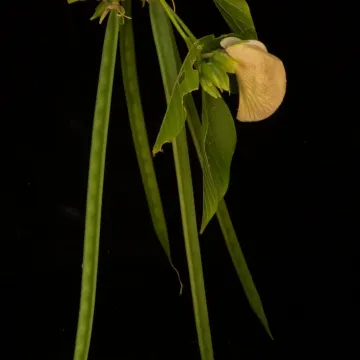
Botanically, it features twining stems, trifoliate leaves, and large, prominent flowers that are characteristic of the Centrosema genus. The root system is deep-reaching, providing the plant with excellent drought tolerance compared to other forage legumes. The seed-bearing pods are elongated and carry numerous seeds, facilitating effective self-seeding and long-term population stability.
Cultivation requirements involve high temperatures and a preference for well-drained, acidic to neutral soil types. While it can withstand periods of limited water, it achieves optimal biomass production under consistent moisture. Proper agronomy involves controlled grazing or regular cutting schedules to maintain the nutritive value of the foliage and ensure the longevity of the stand.
The agricultural and economic uses are diverse:
- High-quality protein source for ruminant livestock grazing.
- Effective cover crop to suppress weeds and reduce soil erosion.
- Green manure for nitrogen-demanding crop rotations.
- Component in silvopastoral systems to increase biodiversity.
Management of pests and diseases is essential, particularly addressing fungal leaf spots that may occur during prolonged rainy seasons. Proper canopy management and avoiding waterlogging are the primary defenses against pathogens. By following recommended agronomic practices, farmers can sustain long-term productivity and maximize the environmental benefits of this resilient legume.
Photo gallery