Centrosema pascuorum
Centrosema pascuorum Mart. ex Benth.
Description
Centrosema pascuorum is a prominent herbaceous legume belonging to the family Fabaceae. Known for its adaptability to tropical environments, this plant serves as a highly nutritious forage crop that has gained recognition for its ability to thrive in regions with distinct wet and dry seasons.
The species is native to Central and South America. Over the years, it has been successfully introduced to other tropical zones, including Northern Australia and parts of Southeast Asia, where it is utilized in pastoral systems to enhance soil fertility and improve the nutritional quality of livestock diets.
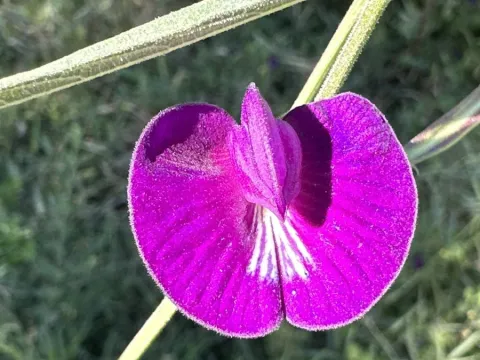
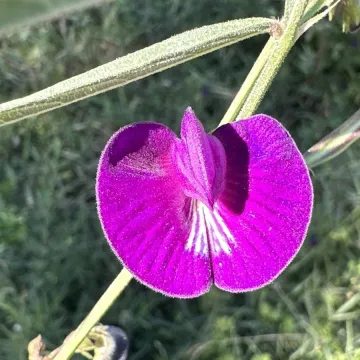
Botanically, this plant is characterized by its trailing stems that readily root at the nodes, creating a dense mat of vegetation. It features trifoliate leaves and attractive, butterfly-shaped flowers. Its symbiotic relationship with rhizobia bacteria allows it to fix atmospheric nitrogen, which contributes significantly to the health of the surrounding ecosystem.
Regarding cultivation requirements, Centrosema pascuorum thrives best in well-drained soils and requires full sunlight to reach its maximum biomass potential. It is highly sensitive to shading, which makes it less suitable for intercropping with tall canopy species. Agronomic practices usually involve sowing at the onset of the rainy season to ensure optimal establishment.
The agricultural and economic utility of this crop is extensive:
- Excellent protein source for cattle and sheep grazing systems.
- Superior cover crop for soil conservation and erosion control.
- Bio-fertilizer properties due to effective atmospheric nitrogen fixation.
- Resilience to grazing pressure, making it ideal for permanent pasture renovation.
When it comes to pests and diseases, the crop is generally hardy, though it may be susceptible to fungal leaf spots if moisture levels remain consistently high or if ventilation in the canopy is poor. Farmers are advised to monitor for seed-feeding insects during the pod-filling stage, as these pests can significantly reduce the yield and quality of the seeds harvested for subsequent planting seasons.
Photo gallery