Centro
Centrosema pubescens Benth.
Description
Centrosema pubescens, commonly known as Centro, is a perennial herbaceous legume belonging to the family Fabaceae. It is highly regarded in tropical agriculture as a robust forage crop, providing significant biomass and excellent nutritional value for livestock.
Originating from the tropical regions of Central and South America, the plant has been naturalized across various tropical zones globally, including Southeast Asia, Africa, and Australia. Its wide distribution is a testament to its ecological plasticity and ability to thrive in warm, high-rainfall environments.
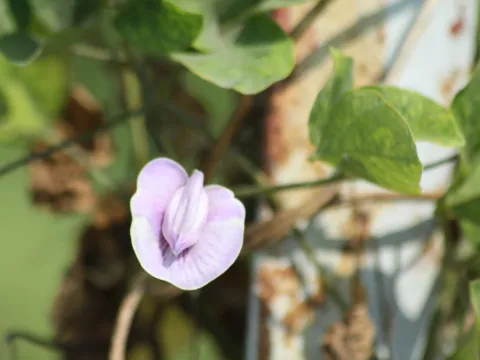
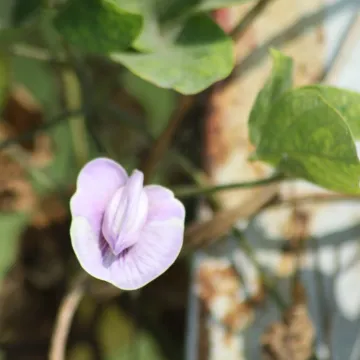
Botanically, Centro is a trailing or climbing vine characterized by trifoliate leaves and distinctive showy flowers. Its strong root system and symbiotic relationship with nitrogen-fixing bacteria make it an exceptional tool for soil rehabilitation and nitrogen enrichment in low-fertility agricultural systems.
The crop thrives in warm, humid climates with average temperatures and requires well-drained soil types. While it shows some tolerance to temporary moisture stress, optimal growth is achieved with regular rainfall. Agronomic practices typically involve seed scarification to enhance germination rates and careful field preparation to ensure successful establishment.
Key agricultural applications include:
- Use as a high-protein feed source for cattle, sheep, and goats.
- Serving as an effective cover crop to prevent soil erosion in plantation agriculture.
- Enhancing soil fertility through biological nitrogen fixation.
- Utilization in erosion control projects on degraded hillsides.
Like many tropical legumes, Centro can be susceptible to fungal pathogens such as Rhizoctonia and various leaf spots in high humidity conditions. Insect pests, including caterpillars and bean beetles, can affect yield, particularly at the seedling stage, necessitating consistent monitoring and appropriate integrated pest management strategies.
Photo gallery