Red haw
Crataegus submollis Sarg.
Description
Red haw (lat. Crataegus submollis Sarg.) is a deciduous shrub or small tree belonging to the Rosaceae family. It is highly valued in horticulture for its large, flavorful fruits and its striking ornamental appearance throughout the seasons. As a hardy species, it serves as both a functional food crop and a beautiful element of the landscape.
Native to North America, the red haw has become a recognized species in various temperate regions due to its resilience. It thrives in well-drained, fertile soils with a neutral to slightly alkaline pH. While it prefers full sun to light shade, it is known for its ability to adapt to different environmental conditions, provided there is adequate space for root development.
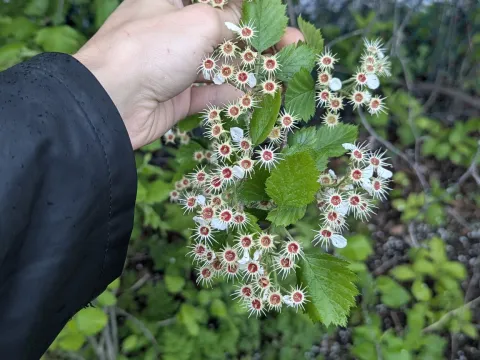
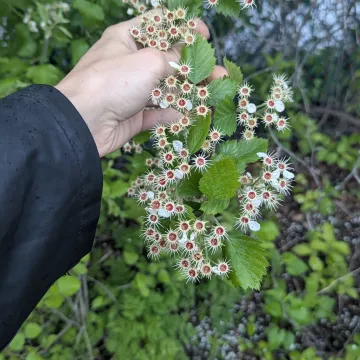
Botanically, the plant is characterized by its stiff thorns and broad, ovate leaves. The flowers, which bloom in late spring, are white and form dense clusters. The fruits, ripening in late summer or autumn, are distinguished by their bright orange-red color and juicy, pleasant-tasting pulp, which makes them an excellent choice for various culinary applications, including jams and jellies.
Cultivation practices involve proper soil preparation and spacing to ensure good air circulation. Regular watering during the initial growth stages is essential, although established plants demonstrate reasonable drought tolerance. Pruning should be performed annually to remove deadwood and maintain an open canopy structure, which improves light penetration and reduces the risk of fungal infections.
The agricultural and economic uses of the red haw include:
- Production of edible fruits for preserves, juices, and culinary crafts.
- Implementation as a dense hedge plant to provide security and wind protection.
- Utilization in ornamental gardening for aesthetic seasonal changes.
- Provision of habitat and food sources for local pollinators and birds.
Management of the plant requires attention to common pathogens such as cedar-hawthorn rust and fire blight. Monitoring for pests like aphids and scale insects is also vital for maintaining plant health. Implementing integrated pest management strategies, combined with proper hygiene in the orchard or garden, ensures a stable and healthy growth of this valuable shrub.
Photo gallery