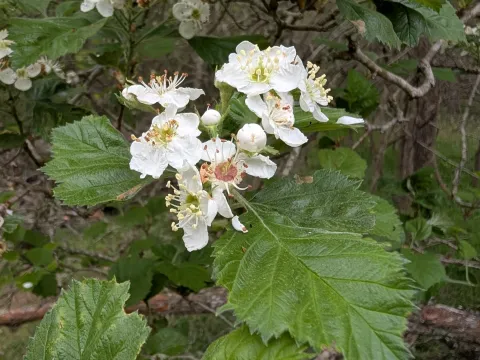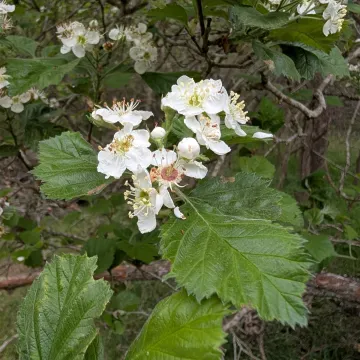
Downy hawthorn
Crataegus mollis (Torr. & A. Gray) Scheele
Description
Downy hawthorn (Crataegus mollis) is a deciduous tree or large shrub that belongs to the Rosaceae family. Known for its succulent and edible fruit, this species is highly regarded in both pomology and landscape design for its unique biological traits and ornamental value.
Originating from North America, the species is widely distributed across the central and eastern regions of the continent. Over time, it has been introduced to various temperate zones globally, where it thrives due to its excellent cold hardiness and adaptability to diverse climatic conditions, making it a reliable choice for commercial orchards.
Botanically, the plant is characterized by a rounded canopy and leaves covered with soft, fine hairs, providing the common name. The tree produces attractive clusters of white flowers in spring, followed by large, bright red fruits that are soft and sweet at maturity. It typically reaches a height of 10 to 12 meters when grown in optimal conditions.
In terms of agricultural management, Downy hawthorn requires fertile, well-draining soil and a location with full sun exposure to ensure maximum fruit production. It is relatively drought-tolerant once established but benefits from irrigation during fruit development. Pruning is essential to remove crossing branches and maintain the tree's health and accessibility for harvesting.
The economic and practical applications of this crop include:
- Food processing for high-quality jams, jellies, and preserved fruits.
- Establishment of impenetrable hedges due to its sharp, protective thorns.
- Use in agroforestry as a buffer strip and wildlife habitat.
- Nutraceutical and pharmaceutical production due to high levels of bioactive compounds.
Disease management is a critical aspect of growing Crataegus mollis. Common threats include cedar-hawthorn rust and powdery mildew, which can significantly affect tree vigor if left unchecked. Integrated pest management, including regular inspection and targeted applications of fungicides or biological controls, is necessary to prevent infestations of aphids and various beetle species.
Photo gallery