Fan-leaved hawthorn
Crataegus rhipidophylla Gand.
Description
Fan-leaved hawthorn (Crataegus rhipidophylla Gand.) is a perennial shrub or small tree belonging to the Rosaceae family. Within the agricultural sector, it is recognized as a significant medicinal and fruit crop, valued for its extreme winter hardiness and its ability to thrive in various temperate environments.
The native range of this species encompasses Europe, specifically Central and Eastern regions, where it often grows on forest margins and in river floodplains. Its ability to adapt to diverse ecological niches has facilitated its selection for commercial cultivation, particularly for the pharmacological industry which utilizes its berries and flowers.
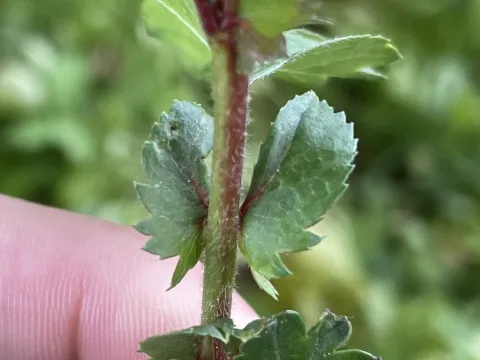
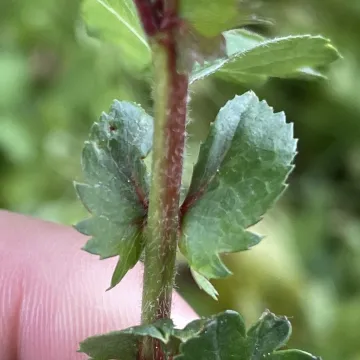
Botanically, the plant is characterized by thorny branches, fan-shaped leaves, and white flowers arranged in corymbs. The fruits are bright red pomes that typically ripen in late summer. The root system is deep and extensive, which contributes to the plant's resilience against environmental stressors, including drought and wind exposure.
Agricultural requirements for Crataegus rhipidophylla are relatively low. The crop prefers well-drained, loamy soils with adequate nutrient content and full sun exposure. Essential agronomic practices include formative pruning, spring fertilization with organic matter, and maintaining soil moisture during the establishment phase. Proper spacing is necessary to ensure adequate airflow and reduce the incidence of disease.
Economic and practical applications for this crop include:
- Extraction of bioactive compounds for pharmaceutical supplements.
- Food processing for jams, jellies, and traditional herbal infusions.
- Establishment of wildlife-friendly hedgerows and natural fences.
- Ornithological management and support for local biodiversity.
The health of the crop may be challenged by pathogens such as powdery mildew or fire blight, as well as pests like aphids and sawflies. Integrated pest management (IPM) strategies, involving regular monitoring and the use of targeted treatments, are essential to maintain plantation productivity and ensure the high quality of the harvested produce.
Photo gallery