Eastern teaberry
Gaultheria procumbens L.
Description
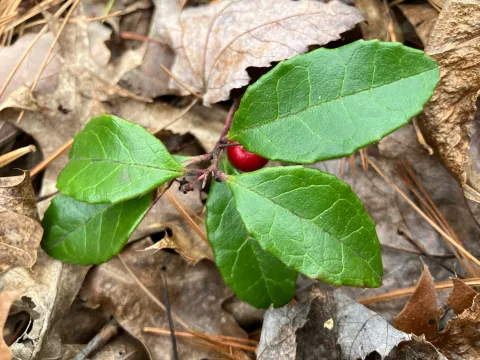
Eastern teaberry (Gaultheria procumbens L.) is a low-growing, evergreen creeping shrub belonging to the Ericaceae family. In agriculture and horticulture, this species is highly valued as a hardy groundcover that provides year-round aesthetic appeal, characterized by glossy foliage and vibrant red winter berries.
The plant is native to the woodlands of eastern North America, where it thrives in the acidic, moist soils of coniferous and deciduous forests. Its range of cultivation has expanded globally in regions with temperate climates, where it is increasingly used in specialized nursery production and forest gardening systems.
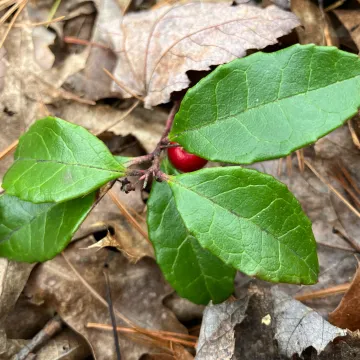
Botanically, the plant spreads via underground stolons, forming dense mats typically reaching a height of 10 to 15 centimeters. Its leaves are leathery, elliptic, and dark green, while its white, urn-shaped flowers bloom in summer. The resulting fruit is a fleshy, bright red berry that persists through the winter months, offering a distinctive wintergreen scent.
Cultivation requires careful attention to soil conditions: the plant strictly demands acidic (pH 4.5–5.5) and well-drained, humus-rich soil. It thrives in partial shade and is highly sensitive to drought and intense midday sun. Proper agrotechnical management includes consistent irrigation, the use of pine needle mulch to maintain acidity, and protection from heat stress during the summer.
Commercially, Gaultheria procumbens is primarily cultivated for the extraction of wintergreen oil, which is widely utilized in the pharmaceutical and food industries for its methyl salicylate content. Common threats to the crop include root rot and leaf spot diseases caused by poor drainage, as well as minor infestations by scale insects or aphids. Regular monitoring and drainage management are essential for healthy yields.
Photo gallery