Wintergreen
Gaultheria procumbens L.x Gaultheria shallon Pursh
Description
Wintergreen is a low-growing evergreen shrub belonging to the Ericaceae family. Known scientifically for its botanical resilience, this crop is valued for its pharmacological potential and ornamental qualities. It forms a dense ground cover, making it a functional plant in specialized agricultural and forestry-related horticulture.
Native to the forests of North America, wintergreen thrives in temperate climates with high atmospheric humidity. Its natural habitat consists of acid, humus-rich woodland soils. Commercial cultivation typically replicates these specific environmental conditions, focusing on shaded or semi-shaded areas where temperature extremes are naturally mitigated.
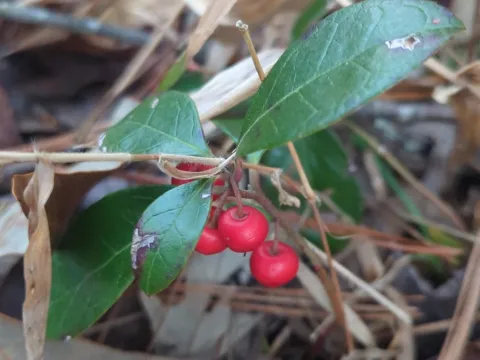
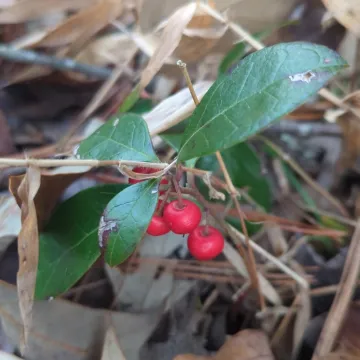
Botanically, wintergreen is characterized by its creeping rhizomatous habit, from which upright stems emerge. The leaves are leathery, dark green, and aromatic. The plant produces small, white, bell-shaped flowers, followed by bright red, berry-like capsules that remain on the plant throughout the winter months, providing year-round visual appeal.
Successful cultivation depends heavily on soil management. The crop requires acidic soil (pH 4.5–5.5) and excellent drainage, as it cannot tolerate waterlogging or alkaline conditions. Agricultural practices involve constant monitoring of soil moisture, frequent mulching with pine needles or wood chips to maintain acidity, and the application of fertilizers formulated specifically for acid-loving ericaceous species.
The agricultural and industrial applications of wintergreen are diverse:
- Extraction of essential oils, specifically methyl salicylate, for medical and cosmetic use.
- Ornamental landscaping for ground cover and woodland garden restoration.
- Use in the food industry as a natural flavoring agent.
- Traditional herbal medicine applications for pain relief and inflammation.
Common issues in wintergreen production involve fungal pathogens that thrive in overly damp, poorly ventilated soil conditions. Pests such as spider mites or scale insects can occasionally compromise the crop. Effective management requires a combination of strict drainage control, proper site spacing, and integrated pest management (IPM) strategies to ensure long-term yield viability.
Photo gallery