
Description
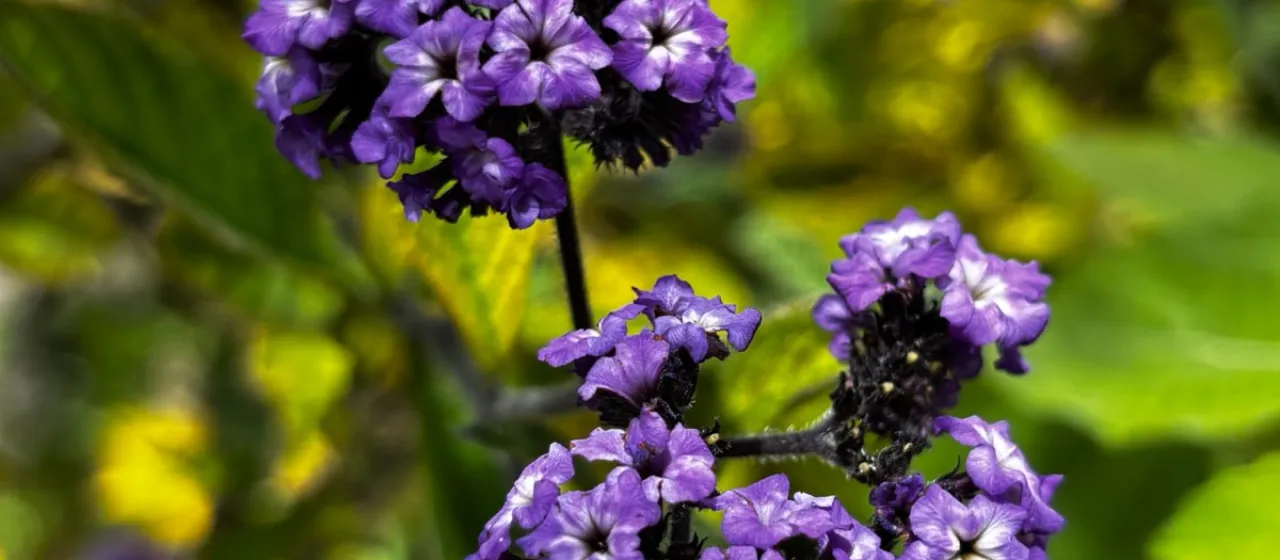
Heliotrope (Latin: Heliotropium arborescens L.) is a popular perennial subshrub belonging to the Boraginaceae family. While native to tropical regions of Peru, it is widely grown globally as an ornamental annual due to its cold sensitivity and spectacular fragrant flowers.
The botanical structure of the plant features wrinkled, dark-green foliage and dense, corymbose inflorescences. The flowers are renowned for their intense vanilla-like fragrance and rich purple-to-blue coloration. Its name derives from the Greek, meaning "turning to the sun," reflecting the plant's heliotropic nature.
Successful cultivation requires a warm, sunny environment with fertile, well-draining soil. The plant thrives in conditions with high light intensity and consistent, moderate moisture. It does not tolerate waterlogging, which often leads to root rot, or frost, which will cause immediate plant collapse.
Agronomic management involves regular fertilization with balanced nutrients during the growing season to support continuous bloom. Pruning or "pinching back" the shoots is a standard practice to encourage bushier growth and prevent the plant from becoming leggy. Propagation is typically achieved through seeds or stem cuttings.
Heliotropes are heavily used in landscaping for bedding, borders, and patio containers due to their high ornamental value. Common pests include aphids, whiteflies, and spider mites. Maintaining good airflow is essential to prevent powdery mildew and other fungal diseases, especially in humid climates.
- Light requirement: Full sun
- Soil pH: Neutral to slightly acidic
- Growth habit: Bushy subshrub
- Primary use: Ornamental gardens, containers