
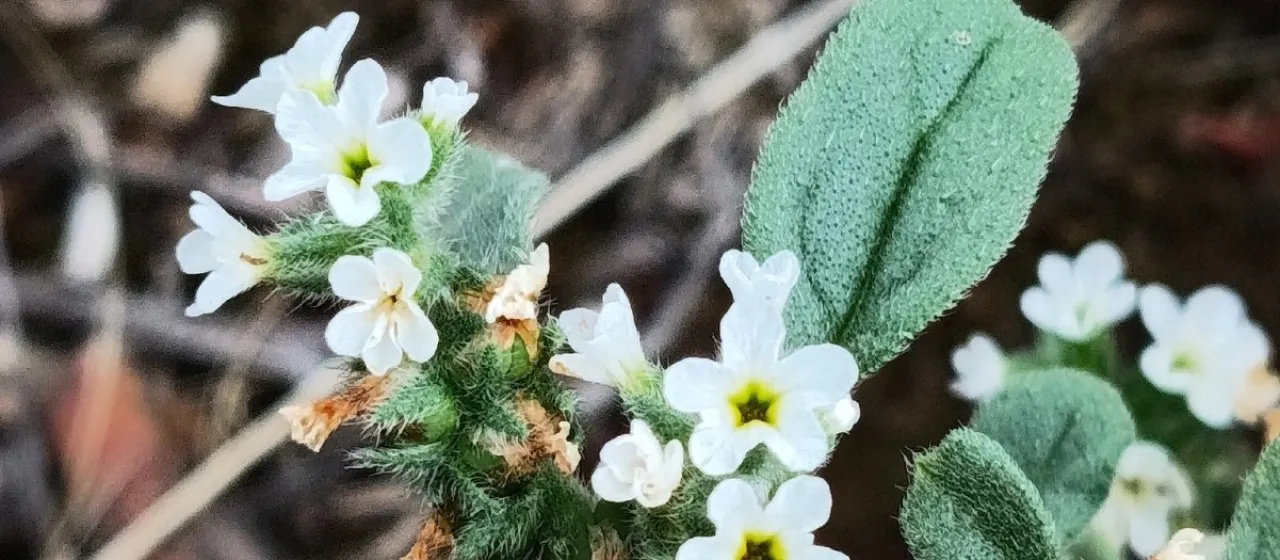
Description
Common heliotrope (Latin: Heliotropium europaeum L.) is an annual herb belonging to the Boraginaceae family. In agricultural settings, it is primarily recognized as a persistent and troublesome weed that thrives in disturbed soils, cultivated fields, and pastures, significantly impacting crop yields through nutrient and water competition.
The plant is native to the Mediterranean region, Europe, and parts of Western Asia. It has successfully naturalized in many regions worldwide with arid and semi-arid climates. Its ability to tolerate drought and thrive in full sun makes it a common invader in orchards, vineyards, and field crops located in southern temperate zones.
Botanically, the common heliotrope features a branching stem covered in soft, white hairs and simple, alternate leaves. Its hallmark is the small, fragrant white flowers arranged in coiled spikes. The plant's deep taproot allows it to survive in dry conditions where many other weeds would wither, giving it a distinct competitive advantage during summer droughts.
Effective agronomic management requires a combination of mechanical and chemical practices. Because it reproduces exclusively by seeds, the primary objective is to prevent seed set before the maturation stage. Deep cultivation, clean fallowing, and the application of appropriate pre-emergence or post-emergence herbicides are recommended to reduce population density in affected areas.
The plant is of significant concern due to its toxicity. It contains pyrrolizidine alkaloids that are harmful to livestock, including sheep, cattle, and horses, causing severe liver damage if ingested over time. Consequently, farmers must ensure that forage and grain crops are free from common heliotrope contamination, as it poses a serious animal health risk and can lead to major economic losses.