
Description
Indian heliotrope (Latin: Heliotropium indicum L.) is an annual herbaceous plant belonging to the Boraginaceae family. While not a conventional staple crop, it is recognized globally for its significant secondary metabolites, which make it a plant of interest for pharmacological research and traditional medicinal practices in tropical regions.
The species is indigenous to the tropical regions of Asia but has successfully naturalized across Africa, the Americas, and Australia. It is commonly found in moist, disturbed habitats, including riverbanks, roadsides, and abandoned agricultural lands. This broad distribution highlights its ability to thrive in various soil types provided that adequate moisture and high temperatures are maintained throughout the growing season.
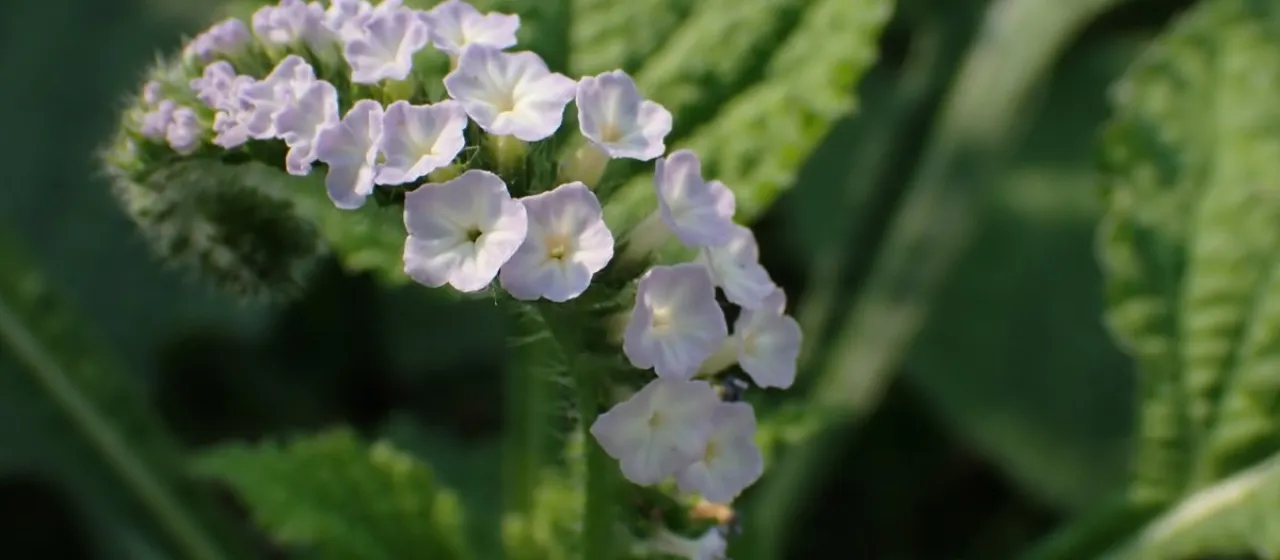
Botanically, the plant features a hairy, branched stem that can reach heights of up to 60 centimeters. Its leaves are alternate, ovate to oblong in shape, with a distinct veined texture. The plant is best known for its terminal, coiled, cyme-like inflorescences consisting of small, pale-violet or white flowers. The plant exhibits heliotropism, where its inflorescences orient towards the sun throughout the day.
Cultivation of the Indian heliotrope requires a climate that supports rapid vegetative growth. The species prefers rich, well-draining soils with consistent moisture levels. When grown for commercial purposes, seeds are typically sown in early spring or at the onset of the wet season. Farmers must manage weed competition during the early growth stages, as the plant can be sensitive to shading and nutrient competition from more vigorous invasive species.
- Optimal growth temperatures ranging between 22°C and 30°C.
- Requirement for full sun exposure to maximize alkaloid production.
- Susceptibility to pests like aphids, spider mites, and whiteflies.
- Harvesting usually occurs at the peak of flowering for optimal chemical profile.
In terms of agricultural utilization, the Indian heliotrope is primarily managed as a specialized medicinal crop. Its parts, including leaves and roots, are harvested and dried for use in traditional medicine to treat various skin conditions and inflammations. Because the plant contains pyrrolizidine alkaloids, it is considered potentially toxic if ingested improperly, necessitating strictly regulated harvesting and processing protocols.