Ural licorice
Glycyrrhiza uralensis Fisch. ex DC.
Description
Ural licorice (Glycyrrhiza uralensis Fisch. ex DC.) is a perennial herbaceous plant belonging to the Fabaceae family. This species is highly valued for its extensive root system, which acts as a storage organ for bioactive compounds, most notably glycyrrhizin, which gives the plant its distinctive sweet flavor and therapeutic properties.
The native distribution area of Ural licorice spans the arid and semi-arid regions of Central Asia, Mongolia, and Northern China. It is commonly found in river floodplains, steppe meadows, and saline soils. Due to its evolutionary adaptation to harsh environments, it has become a resilient candidate for agricultural cultivation in marginal lands.
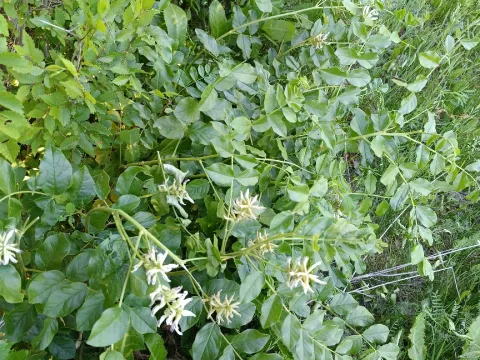
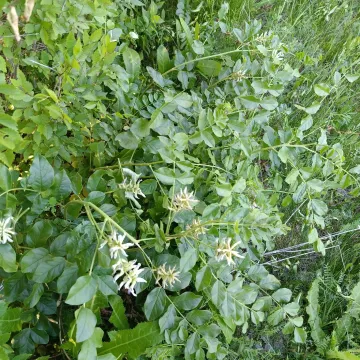
Botanically, the plant features pinnate leaves and typical pea-like flowers arranged in purple racemes. Its root architecture is characterized by a deep taproot and a network of horizontal rhizomes that facilitate clonal expansion. The plant is drought-tolerant once established and thrives in regions with intense solar radiation and significant seasonal temperature fluctuations.
Cultivation practices necessitate well-drained, sandy or loamy soils to prevent root rot and ensure optimal rhizome development. Field preparation involves deep plowing to facilitate root penetration. Adequate irrigation is critical during the establishment phase, though mature plants demonstrate excellent tolerance to water scarcity.
The economic significance of Glycyrrhiza uralensis is profound. It is a cornerstone of traditional and modern medicine, serving as an ingredient in expectorant and anti-inflammatory formulations. Furthermore, it is widely utilized in the food industry as a natural sweetener, foaming agent, and flavoring component in beverages and confections.
Agronomic challenges primarily involve managing weed competition during the first year of growth and monitoring for potential pathogens. Typical issues include rust diseases, powdery mildew, and insect pests like weevils, which can impact both the foliage and the quality of the root harvest.
Photo gallery