Licorice
Glycyrrhiza glabra L. x Glycyrrhiza uralensis Fisch. ex DC.
Description
Licorice (Glycyrrhiza glabra) is a perennial herbaceous plant belonging to the Fabaceae family. It is widely cultivated for its roots, which are a major source of glycyrrhizin, an extract used extensively in pharmaceutical products, confectionery, and natural sweeteners worldwide.
The plant originates from the Mediterranean region and parts of Central and Western Asia. Commercially, it thrives in warm, temperate climates with long, sunny growing seasons. While it is tolerant to heat, consistent irrigation is essential for optimal root development and commercial yield.
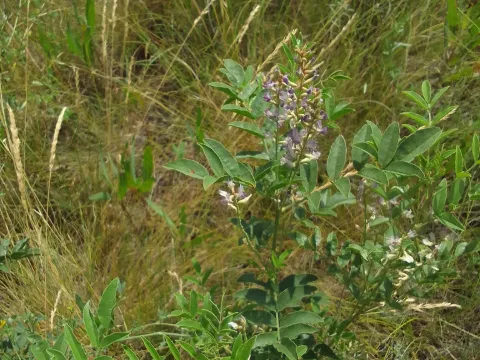
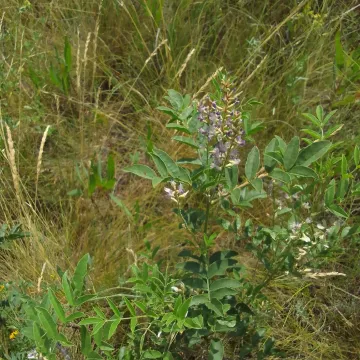
Botanically, the plant features pinnate leaves and pale violet to blueish flowers. The most significant part is the underground system, comprising a deep taproot and extensive horizontal rhizomes (stolons). These rhizomes are the harvested part, typically extracted when the plant is 3 to 4 years old.
Cultivation requires deep, well-drained, sandy or loamy soils with a neutral or slightly alkaline pH. Proper field preparation is crucial, as the deep root system requires soil without compaction layers. Propagation is generally performed via cuttings of rhizomes, which are planted in rows to ensure space for root expansion.
Crop management focuses on weed control during the establishment phase and protection against common pests such as leaf-eating insects and various fungal diseases. Ensuring proper soil drainage is vital to prevent root rot, which is one of the most common issues in commercial licorice plantations.
Photo gallery