Licorice
Glycyrrhiza glabra L.
Description
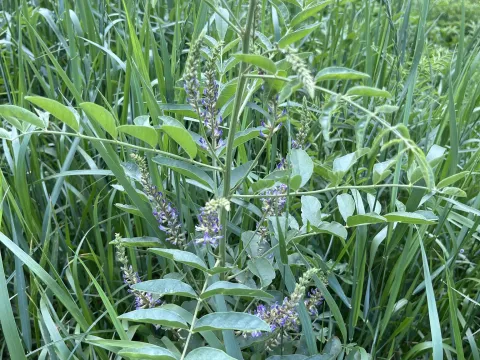
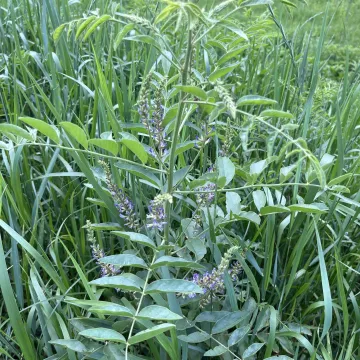
Licorice (Glycyrrhiza glabra L.) is a perennial herbaceous plant belonging to the Fabaceae (legume) family. It is a highly valued industrial and medicinal crop recognized globally for the chemical compound glycyrrhizin, which is extracted primarily from its extensive root and rhizome system.
The plant originates from the Mediterranean region, Western Asia, and parts of Central Asia. It is traditionally cultivated in environments characterized by hot, dry summers and relatively mild winters. Successful commercial production depends on selecting regions that provide sufficient thermal units during the growing season to ensure high-quality root accumulation.
Botanically, licorice is distinguished by its deep, woody taproot and a spreading network of horizontal stolons. The plant can reach a height of over one meter, featuring pinnate leaves and small, pale-colored flowers typical of the bean family. The capacity for vegetative propagation via rhizomes makes the plant aggressive in its natural habitat.
Agronomic success requires well-drained, deep, sandy loam or alluvial soils that prevent root rot. Irrigation is essential during the establishment phase, although established stands are significantly drought-tolerant. Producers must focus on meticulous weed control during the first and second years, as the seedlings are slow to establish and compete poorly with fast-growing invasive flora.
The crop is prone to various biological threats that can impact yield quality. Common issues include fungal infections such as powdery mildew and rust, which affect leaf senescence. Additionally, insect pests such as weevils can damage the root structures. Effective farm management involves a combination of crop rotation, strategic field sanitation, and the use of approved agricultural inputs for integrated pest management.
Photo gallery