Chrysosplenium macrostemon
Chrysosplenium macrostemon
Description
Chrysosplenium macrostemon is a perennial herbaceous plant belonging to the Saxifragaceae family. While not a conventional agricultural crop for food production, it is highly valued in horticulture and ecological gardening as a shade-tolerant ground cover that performs well in specialized moist environments.
Originating from the temperate regions of East Asia, including the Far East, Japan, and Korea, this species thrives in forest habitats. It is naturally found along stream banks, in damp wooded areas, and on cool, shaded slopes. Its ability to create dense vegetative mats makes it an excellent choice for stabilizing damp soils.
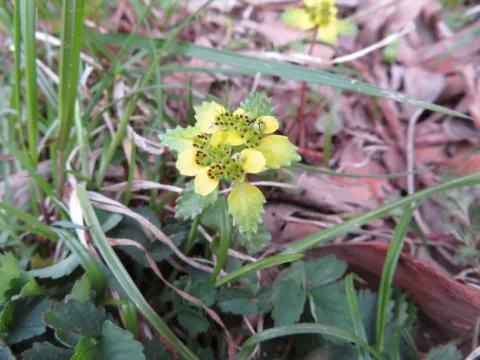
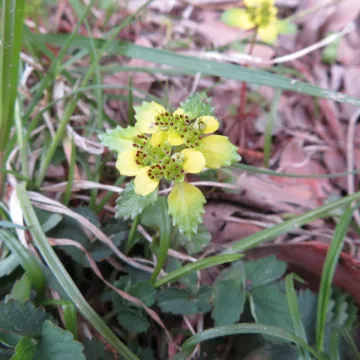
The botanical structure of the plant features succulent, rounded leaves forming low rosettes. The most prominent feature, as implied by its Latin name, is the long, conspicuous stamens that extend beyond the inconspicuous petals of the small, yellow-green flowers. It blooms early in the spring, often being one of the first plants to provide ground cover after the winter thaw.
Cultivation requirements focus on mimicking its natural riparian habitat. The plant requires consistently moist, humus-rich soil and a location protected from direct sunlight. It is intolerant to heat and drought; therefore, irrigation is essential during dry spells. Proper site selection in a garden, such as under deciduous canopy trees, ensures the plant receives the dappled light it needs to thrive.
Regarding its utility, the species is primarily used for ornamental landscaping to fill dark, damp corners where other plants struggle. It is a reliable solution for weed suppression in shady areas. While typically free from serious diseases, the plant can be susceptible to fungal rots in stagnant water and is frequently targeted by slugs and snails, which can cause significant damage to the fleshy foliage during moist, cool weather.
Photo gallery