Woolly clethra
Clethra tomentosa Lam.
Description
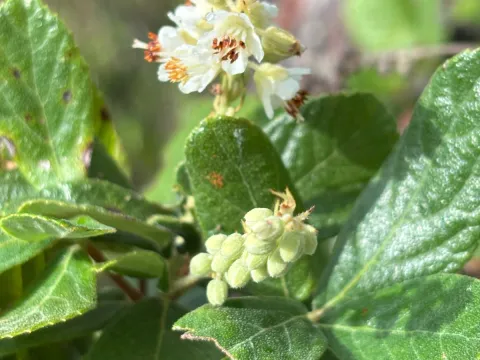
Woolly clethra (Clethra tomentosa) is a deciduous shrub belonging to the Clethraceae family. Recognized for its pubescent (hairy) leaves and stems, this plant offers unique visual interest in the landscape. It is highly valued for its late-summer flowering period and its ability to thrive in moisture-retentive soils where other species might fail.
The plant is native to the southeastern United States, typically found in coastal plains, wetlands, and shaded forest margins. Its natural habitat dictates its cultivation requirements, preferring regions with adequate rainfall and mild to warm temperate climates. It has become a popular choice for rain gardens and swampy landscape areas.
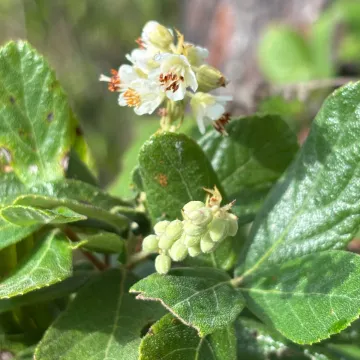
Botanically, Clethra tomentosa reaches a height of up to three meters. The leaves are ovate to elliptical, with a soft, woolly texture on the underside that gives the plant its common name. The flowers are produced on long, erect, fragrant white racemes, which are highly attractive to pollinators such as bees and butterflies.
The core of its agrotechnology lies in soil acidity management. It strictly requires acidic, nutrient-rich, and consistently moist soil to reach its full potential. Cultural practices should include:
- Regular irrigation during dry spells
- Mulching to retain soil moisture
- Spring pruning to remove dead wood and encourage new growth
- Application of acidic fertilizers if the soil pH shifts
Economically, woolly clethra is primarily used as an ornamental plant in private and public gardens. It is particularly effective as a background plant in borders or massed plantings near water features. Due to its late-season nectar production, it is also a vital plant for supporting local honeybee populations.
Regarding health issues, the plant is relatively pest-resistant. The most common cultural disorder is chlorosis, which presents as yellowing leaves caused by alkaline soil conditions. To prevent this, ensure that the soil remains acidic and well-drained. Proper airflow and adequate watering are usually sufficient to prevent fungal issues like powdery mildew.
Photo gallery