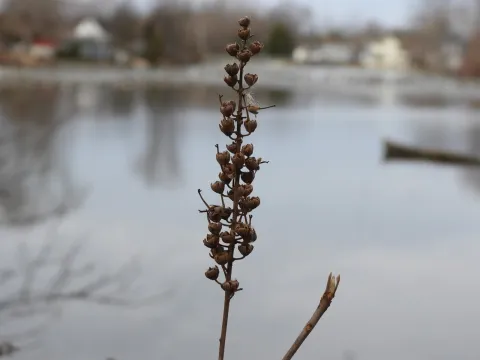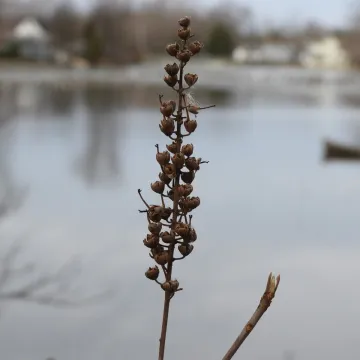

Clethra alnifolia
Clethra alnifolia L.
Description
Clethra alnifolia (Summersweet) is a deciduous shrub belonging to the family Clethraceae. It is highly valued in horticulture for its late-summer blooming cycle, during which it produces fragrant, candle-like flower spikes. The plant typically reaches a height of 2 to 3 meters, forming a dense and upright bush that adds significant aesthetic value to garden spaces.
Native to the eastern regions of North America, Clethra alnifolia naturally inhabits wetlands, swamps, and stream banks. Its evolutionary history in these moist environments dictates its requirements in cultivation, making it one of the few shrubs that thrive in areas where other plants might suffer from excessive soil moisture.
Botanically, the species is characterized by its alternate, obovate leaves that turn a bright golden yellow in the autumn. The flowers, which can range from pure white to soft pink in various cultivars, are particularly noted for their sweet, spicy scent, which attracts bees, butterflies, and other essential pollinators during the late season.
Successful cultivation requires acidic, organic-rich soil that remains consistently moist throughout the growing season. While the plant can tolerate some shade, it produces the most profuse blooms in full sun, provided that the soil does not dry out. Regular mulching is a critical agronomic practice to maintain moisture and protect the root zone from temperature extremes.
- Excellent tolerance to wet soil conditions.
- Late-summer fragrance and visual appeal.
- High cold hardiness (USDA zones 4-9).
- Low maintenance with few pest or disease concerns.
In landscaping, Clethra alnifolia is widely used for rain gardens, wetland restoration, and as a pollinator-friendly foundation planting. It is remarkably resistant to most common pests and diseases, though in extremely hot and dry spells, vigilance against spider mites is advised. Proper maintenance involves minimal pruning, primarily to remove dead or weak stems after the winter.
Photo gallery