Danish scurvygrass
Cochlearia danica
Description
Danish scurvygrass (lat. Cochlearia danica) is an herbaceous plant belonging to the Brassicaceae family. It is recognized in horticulture and small-scale farming for its succulent leaves, which possess a distinct, sharp, horseradish-like flavor due to the presence of glucosinolates.
The species originated from the coastal regions of Western Europe. Its historical adaptation to saline environments has made it a resilient plant that can thrive in various soils. Today, it is increasingly studied for its potential as a specialty salad green in niche agricultural markets.
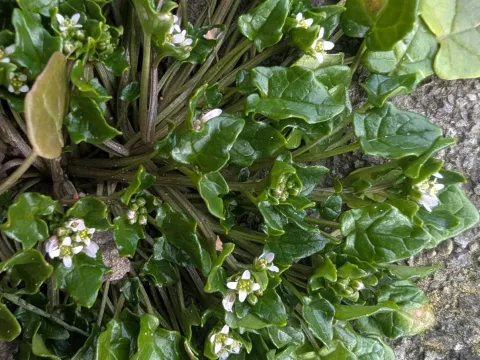
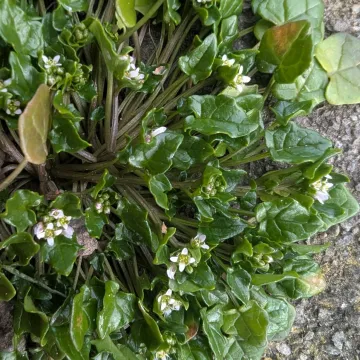
Botanically, it is a low-growing annual or biennial herb with cordate, fleshy leaves and small, white-to-pale-pink cruciform flowers. The plant exhibits high phenotypic plasticity, allowing it to adapt to different light conditions, though it performs best in full to partial sun exposure with adequate moisture.
For successful cultivation, Danish scurvygrass requires well-drained, sandy-loam soils that are slightly alkaline. Climate-wise, it prefers cooler temperatures and is highly frost-tolerant. It is essential to avoid waterlogging the soil while maintaining a consistent moisture level to ensure rapid vegetative growth.
In commercial terms, it is utilized as a vitamin-rich herb, historically prized for its high Vitamin C content, hence the name. Like other members of the Brassicaceae family, it is susceptible to pests such as flea beetles. Integrated pest management and proper crop rotation are recommended to maintain plant health and yield quality throughout the growing season.
Photo gallery