
Coleus amboinicus
Coleus amboinicus
Description
Coleus amboinicus, widely recognized under the synonym Plectranthus amboinicus, is a perennial succulent herb belonging to the Lamiaceae family. It is commercially and horticulturally valued for its pungent, aromatic leaves, which serve as a popular culinary substitute for oregano in tropical regions.
The plant originates from Southern and Southeast Asia but has been introduced to tropical and subtropical areas globally. It is highly adaptable to various environmental conditions, though it remains strictly frost-sensitive, which dictates its agricultural cycle in colder climates as a greenhouse or indoor crop.
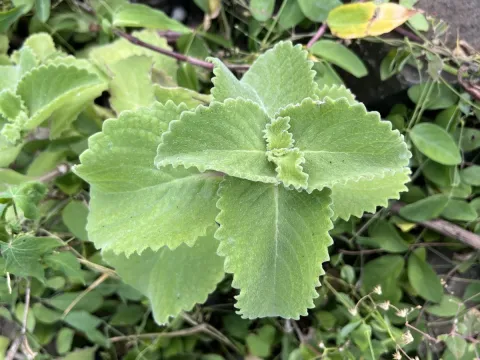
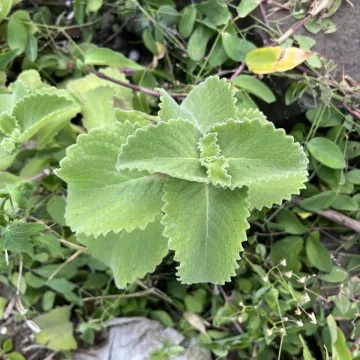
Botanically, it features thick, fleshy, succulent leaves covered in fine hairs, containing potent volatile oils. The stems are semi-woody at the base and have a trailing or erect growth habit depending on the cultivar. It produces small, tubular flowers, although vegetative propagation is the standard method for commercial production.
Successful cultivation requires well-draining, sandy-loam soil and full to partial sunlight. The plant is drought-tolerant once established but performs best with regular moisture during the growing season. In intensive agriculture, container cultivation is preferred to manage soil quality and drainage effectively and to facilitate transport or winter storage.
Beyond culinary uses as a flavoring agent, it is increasingly studied for its secondary metabolites, including essential oils with antimicrobial properties. It is widely used in traditional medicine for respiratory ailments. Growers must watch for common pests like mealybugs and aphids, and maintain proper aeration to prevent fungal diseases like root rot.
Photo gallery