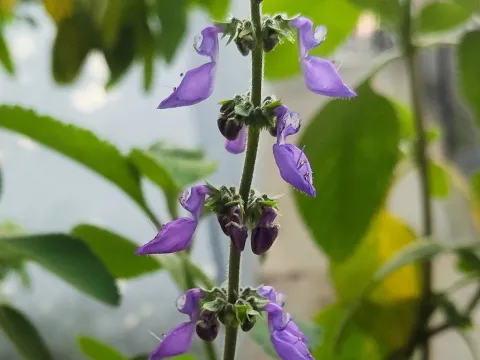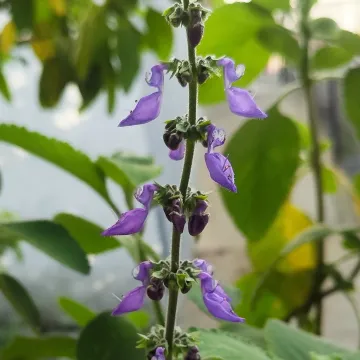

Coleus forskohlii
Coleus barbatus
Description
Coleus forskohlii, taxonomically classified as Coleus barbatus, is a perennial herbaceous plant belonging to the Lamiaceae family. It is widely recognized in agriculture and industry due to the presence of forskolin, a labdane diterpene synthesized in the roots. The plant typically features thick, succulent-like leaves and robust stems that grow in warm climates.
Native to the subtropical regions of India and East Africa, this species thrives in environments where warm temperatures prevail throughout the year. It has become a significant commercial crop in mountainous regions of India, where high elevation and specific light conditions favor the accumulation of essential bioactive compounds within the root system.
The plant requires well-drained, porous soils that prevent waterlogging. Heavy, clay-based soils are generally avoided unless heavily amended with organic matter to improve aeration. It thrives in full sun but can tolerate partial shade, provided the ambient humidity remains sufficient for its metabolic functions.
Agricultural management requires careful attention to irrigation and pest control. Fertilizer application, particularly phosphorous and organic compost, is recommended during the early development phase to boost root biomass. Standard propagation is achieved through stem cuttings, which ensure the maintenance of stable chemical profiles and desirable yields in commercial plantations.
The primary economic value lies in the nutraceutical industry, with its extracts widely used in supplements for heart health, weight management, and respiratory support. Growers must monitor the crop for common health issues:
- Powdery mildew under high humidity
- Aphid infestations during dry seasons
- Root rot diseases caused by soil pathogens
Photo gallery