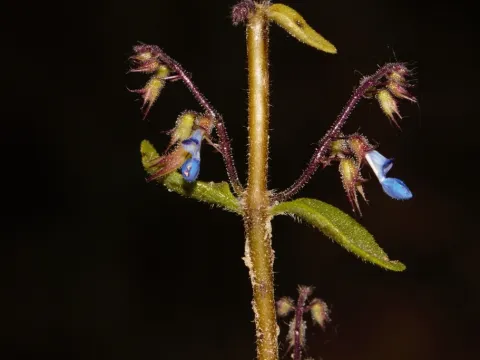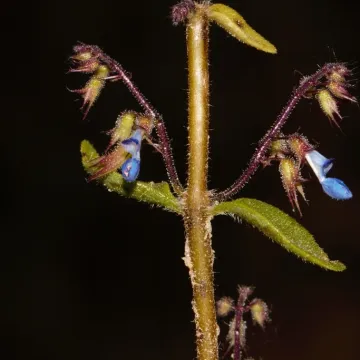
Coleus efoliatus
Coleus efoliatus
Description
Coleus efoliatus is an intriguing botanical species belonging to the Lamiaceae family. Historically linked to the genus Coleus, current taxonomists often categorize it within Plectranthus. It is a perennial herbaceous plant recognized for its distinct morphological traits and growth habit, which set it apart from more common ornamental varieties.
The origin of this species is traced to the tropical regions of Africa. It has evolved to thrive in environments with significant light intensity and distinct seasonal patterns. Cultivating this plant requires replicating these tropical conditions, emphasizing consistent warmth and high levels of ambient light to ensure optimal development of the vegetative biomass.
Botanically, the species is characterized by its unique stem development and leaf reduction, which is reflected in its scientific name. It possesses a vigorous root system capable of nutrient extraction from diverse soil profiles. The architectural structure of the plant makes it an interesting subject for physiological research regarding resource allocation in Lamiaceae.
The agronomic requirements for Coleus efoliatus focus on well-draining soil substrates with a slightly acidic to neutral pH level. Effective moisture management is critical; the substrate should be kept moist but never waterlogged to prevent root system hypoxia. In professional greenhouse settings, maintaining a consistent temperature range is essential for preventing physiological stress.
Key хозяйственное uses and production notes include:
- Utilization in plant breeding programs to create novel architectural forms.
- Exploration of phytochemical properties for potential industrial applications.
- Use in specialized botanical displays and research facilities.
Common pests include spider mites and whiteflies, which require integrated pest management strategies, especially in controlled environments. Fungal pathogens, such as powdery mildew, may occur if airflow is insufficient or humidity is excessively high. Management relies on consistent monitoring and the application of appropriate agrochemicals to maintain plant health.
Photo gallery