Confederate rose
Hibiscus mutabilis L.
Description
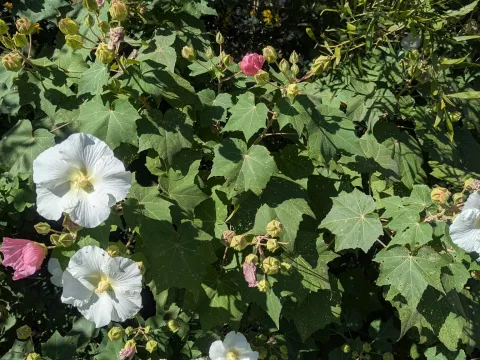
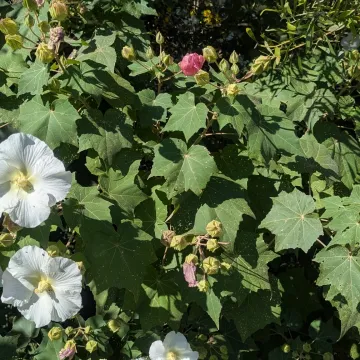
Confederate rose (Latin: Hibiscus mutabilis), also known as the change-able rose, is a deciduous shrub or small tree belonging to the Malvaceae family. This species is world-renowned for its distinct horticultural phenomenon: large flowers that bloom white or pink in the morning and deepen to a dark crimson or deep pink by evening.
Native to Southern China and Taiwan, the Confederate rose thrives in warm, temperate, and subtropical regions. Historically, it has been widely planted across the Southern United States and Southeast Asia. As a crop, it requires a long growing season to reach its full potential, making it ideal for mild climate zones.
Botanically, the plant is characterized by its large, lobed, downy leaves and rapid growth habit. It can grow as a large bush or a tree, reaching heights of up to 5 meters. The flowering period is primarily in the late summer and autumn, often extending until the first frost, which provides a long-lasting aesthetic appeal to the landscape.
Regarding agrotechnical requirements, the plant prefers full sun to partial shade and fertile, well-draining soil. It is relatively drought-tolerant once established but performs best with consistent irrigation during the peak flowering stage. Pruning is essential for maintaining the shape of the plant and promoting vigorous growth for the following season.
The primary use of this plant is ornamental, serving as a focal point in gardens, landscaping, or as part of a mixed hedge. In regions where temperatures drop significantly, it is managed as a container plant. Beyond its beauty, it has historically been used in some traditional medicine practices for its cooling and anti-inflammatory properties, although its cultivation is primarily for aesthetic enjoyment.
Common issues affecting plant health include:
- Pest infestations such as aphids, spider mites, and whiteflies.
- Fungal diseases like leaf spot or root rot resulting from poor soil drainage.
- Nutrient deficiencies, particularly if the soil lacks sufficient organic matter.
Photo gallery