Chinese hemlock parsley
Conioselinum chinense
Description
Chinese hemlock parsley (lat. Conioselinum chinense) is a perennial herbaceous plant belonging to the Apiaceae family. In agriculture, it is cultivated primarily for its medicinal roots, which are highly valued in traditional and modern herbal medicine for their therapeutic properties, including the presence of essential oils and bioactive compounds.
The plant originates from East Asia, specifically regions spanning China to the Russian Far East. It naturally thrives in moist environments such as forest edges, meadows, and riparian zones. When cultivated as a crop, it requires a temperate climate with consistent moisture levels and protection from excessive heat, which helps ensure high-quality root development.
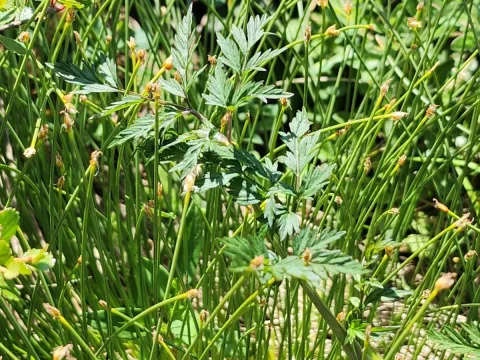
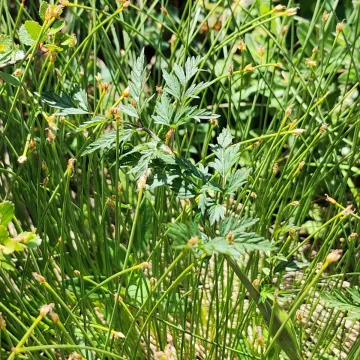
Botanically, the plant is characterized by a sturdy, upright stem reaching up to one meter in height, adorned with finely dissected, tripinnate leaves. The root system is the main economic asset; it is fleshy and branched, serving as a storage organ for phytochemicals. Flowering occurs in mid-summer, producing small, white flowers arranged in complex umbels.
Agronomic requirements for this crop focus on soil fertility and irrigation. The ideal soil type is a deep, nutrient-rich loam that retains moisture without becoming waterlogged. Farmers must ensure proper drainage while maintaining high soil humidity throughout the growing season. Nitrogen and phosphorus supplementation are essential for stimulating vigorous biomass and root growth.
The primary use for Chinese hemlock parsley is in the pharmaceutical industry for the formulation of circulation-boosting and anti-inflammatory agents. Disease management is critical, as the crop is susceptible to powdery mildew and various root rots under conditions of poor aeration or excessive standing water. Pest control typically targets aphids and umbellifer-specific caterpillars to prevent foliage damage.
Photo gallery