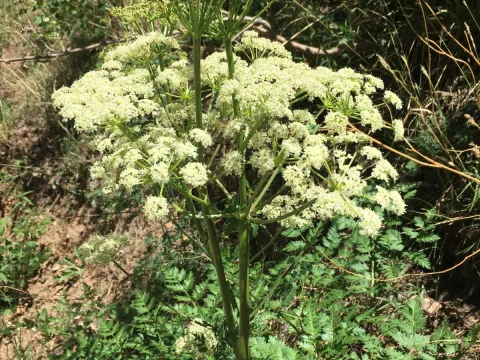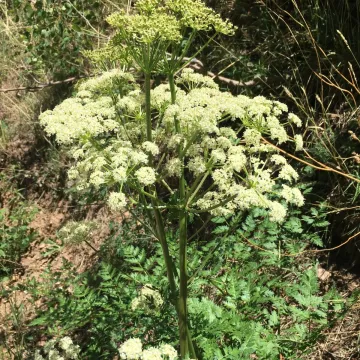
Rocky Mountain hemlock-parsley
Conioselinum scopulorum
Description
Conioselinum scopulorum, known as the Rocky Mountain hemlock-parsley, is a herbaceous perennial belonging to the Apiaceae family. This species is highly regarded for its resilience and unique physiological adaptations, making it an interesting subject for specialized agricultural study and conservation efforts.
The plant is native to the high-elevation regions of North America, particularly the Rocky Mountains. It naturally thrives in moist, rocky slopes and sheltered canyons. Its historical distribution indicates a high degree of adaptability to cool, montane climates, which must be replicated in controlled cultivation settings for successful yield.
Botanically, the plant features finely dissected foliage and characteristic compound umbels. The root system is robust, designed to penetrate rocky fissures in search of water and nutrients. During the growth cycle, the plant develops sturdy stems capable of withstanding mountain winds, which is a key trait for its survival in native habitats.
Cultivation requires meticulous attention to environmental parameters. The soil must be well-drained and slightly gritty to simulate natural mountain substrates. While the plant appreciates moisture, it is critical to avoid waterlogging, which can lead to rapid decay. Partial shade is generally preferred, especially during the hottest months of the summer season to prevent leaf scorching.
Economically, Conioselinum scopulorum is utilized in pharmacological research due to its secondary metabolites. It also holds potential as an ornamental plant for xeriscaping or rock gardens. Common plant health issues include root rot caused by poor drainage and infestations by aphids or spider mites. Maintaining good air circulation is the best preventative strategy against common fungal pathogens.
Photo gallery