Tatarian hemlock parsley
Conioselinum vaginatum
Description
Tatarian hemlock parsley (Conioselinum vaginatum) is a perennial herbaceous plant belonging to the Apiaceae family. This species is recognized for its robust nature and serves as a significant biological resource in regions where it is cultivated for its distinct phytochemical properties.
Native to vast areas of Eurasia, the plant naturally thrives in forest clearings and humid meadow habitats. Its evolutionary history in these diverse environments has gifted it with high adaptability to fluctuating weather conditions and different soil compositions, making it a resilient crop candidate.
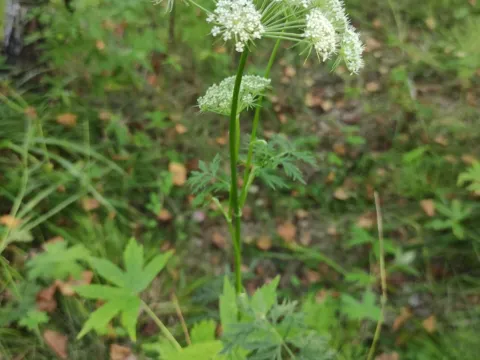
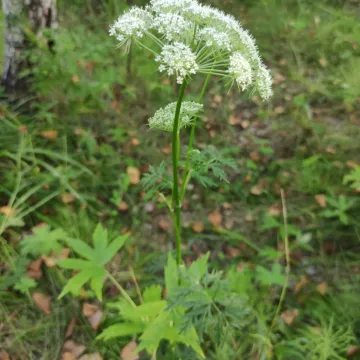
The botany of this species is defined by deeply dissected leaves, hollow stems, and complex umbelliferous inflorescences. The deep taproot system is a key physiological trait that allows the plant to access subsoil moisture, which is critical for survival during short-term drought periods in the growth cycle.
Successful cultivation requires fertile, well-drained loamy soils with a near-neutral pH level. Agrotechnical management involves regular soil aeration and weed control, especially during the establishment phase. The plant benefits from consistent moisture levels, ensuring optimal biomass production throughout the season.
Economically, the plant is valued for its potential use in pharmaceutical and herbal industries. Its root system and seeds are harvested for their concentrated essential oils and specific organic compounds. These substances are increasingly investigated for their therapeutic properties in medical applications.
- Monitor for fungal pathogens during wet seasons.
- Implement proper drainage to prevent root rot.
- Scout for umbellifer-specific insect pests like caterpillars.
- Use organic mulching to suppress weeds and maintain soil structure.
Disease and pest management requires an integrated approach. While generally hardy, the plant can suffer from root rot in waterlogged conditions and may attract umbellifer-feeding insects. Preventive measures, including proper spacing and crop rotation, are essential for maintaining high yield quality.
Photo gallery