Cota melanoloma
Cota melanoloma
Description
Cota melanoloma is a herbaceous plant belonging to the Asteraceae family. It is recognized in botanical and agricultural research for its specific ecological adaptation and chemical profile, making it a subject of interest for sustainable harvesting and small-scale cultivation.
The origin of this species is associated with the steppe regions of Eurasia. It thrives in temperate climates, preferring open landscapes with significant light exposure. Its natural distribution is linked to areas where the soil conditions are relatively poor but well-drained, highlighting its resilience to moderate drought stress.
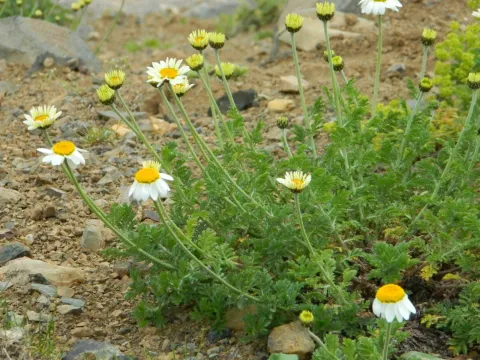
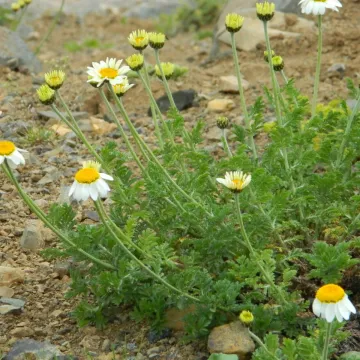
Botanically, Cota melanoloma is characterized by its erect, branching stems and finely dissected, alternate leaves. The inflorescence consists of distinct daisy-like heads. The plant exhibits a high degree of phenotypic plasticity, adjusting its growth rate depending on the seasonal moisture levels and soil nutrient availability.
Agricultural requirements for this crop involve maintaining soil aeration and ensuring consistent solar access. Over-fertilization is generally discouraged, as it can negatively impact the secondary metabolite profile of the plant. Field preparation should focus on clearing competing vegetation, as Cota melanoloma performs best when space is sufficient for canopy development.
Common issues in the cultivation of Cota melanoloma include susceptibility to root rot during periods of excessive rainfall and infestation by sap-sucking insects. Integrated pest management strategies are recommended to maintain plant health without compromising the quality of the harvested materials intended for industrial or medicinal use.
Photo gallery