
Acuminate cotoneaster
Cotoneaster acuminatus
Description
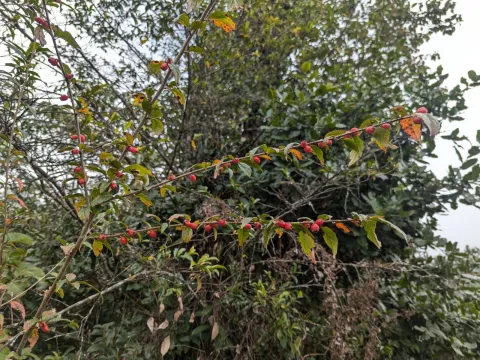
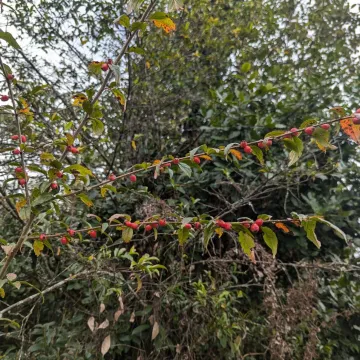
The acuminate cotoneaster (Cotoneaster acuminatus) is a deciduous shrub belonging to the Rosaceae family. It is highly valued in horticulture for its elegant growth habit, dense foliage, and the attractive berries that persist throughout the autumn season.
Native to the mountainous regions of the Himalayas and Western China, this species has proven to be adaptable to various temperate climates. Its natural resilience allows it to thrive in diverse environments, making it a reliable choice for professional landscapers and amateur gardeners alike.
Botanically, the shrub is characterized by its pointed, ovate leaves and vigorous branching. It can reach a height of up to 4 meters, producing small white or pinkish flowers in the spring. By late summer, these develop into deep red or dark fruits, which add significant ornamental value to the shrubbery.
Regarding agricultural practices, the plant prefers sunny to partially shaded locations with well-drained, fertile soil. It is notably drought-tolerant once established and demonstrates high tolerance to urban pollution. Regular pruning is recommended to maintain a desired shape, especially when the plant is used for formal hedging.
The primary uses for this species include soil erosion control, windbreak formation, and aesthetic planting in urban parks. In terms of protection, the most common issues are aphid infestations and powdery mildew. Maintaining good air circulation and ensuring proper soil drainage are the best preventative measures against these threats to ensure plant health.
Photo gallery