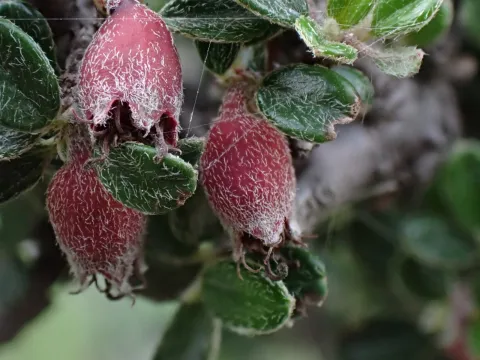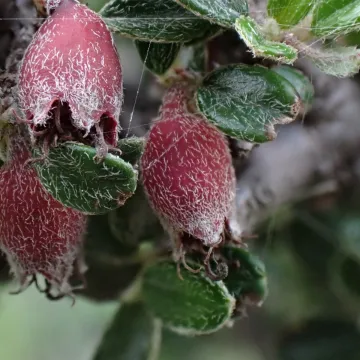

Starry cotoneaster
Cotoneaster astrophoros
Description
The starry cotoneaster (Cotoneaster astrophoros) is an ornamental shrub belonging to the Rosaceae family. It is widely recognized for its dense foliage, compact growth habit, and exceptional adaptability, making it a preferred choice for residential and public landscaping projects.
Native to the mountain regions of China, this species has evolved to thrive in diverse environments, from rocky outcroppings to woodland borders. Its ability to withstand fluctuating temperatures has made it a resilient candidate for cultivation in various temperate climates across the globe.
Botanically, the plant is distinguished by its small, elliptical leaves and a dense branching structure. During the flowering stage, it produces delicate blooms that are followed by decorative berries. These fruits not only add visual interest in the autumn but also serve as a source of food for local avian populations.
Cultivation requirements for the starry cotoneaster focus on well-drained, nutrient-rich soil and exposure to full sun or partial shade. While it shows remarkable drought tolerance once established, consistent moisture is vital during the initial planting phase. Maintenance tasks include pruning to shape the canopy and applying a balanced fertilizer in the early spring.
In terms of economic and horticultural use, the shrub is primarily utilized for hedge formation, ground cover on gentle slopes, and ornamental plantings in public parks. Its robustness against pests and diseases further enhances its value as a low-maintenance landscape plant.
- Excellent winter hardiness.
- Drought-tolerant once established.
- Low maintenance requirements.
- Great for soil erosion control.
Photo gallery