Cranberry cotoneaster
Cotoneaster apiculatus
Description
Cranberry cotoneaster (Cotoneaster apiculatus) is a deciduous shrub belonging to the Rosaceae family. It is highly valued in horticulture for its dense, spreading habit, which makes it an excellent choice for ground cover, foundation plantings, and low-maintenance borders in various landscape designs.
This species is native to western China and has adapted to mountainous environments. Its historical range is characterized by rocky terrain and variable weather conditions, which has contributed to the plant's reputation for extreme hardiness and its ability to thrive in diverse geographical zones across North America and Europe.
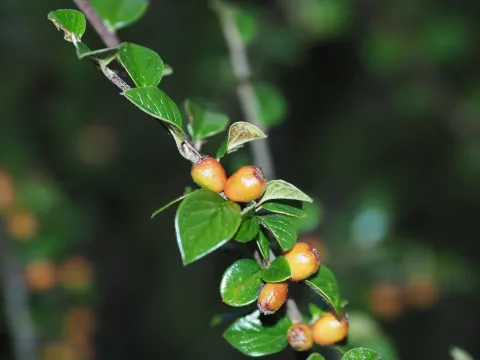
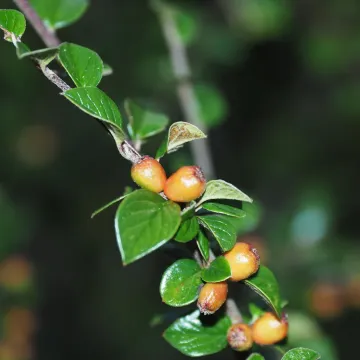
Botanically, it is recognized by its arching, stiff branches and small, dark green leaves that develop a brilliant red color during the autumn season. The plant produces small pinkish flowers in the early summer, followed by abundant, rounded red fruits that resemble cranberries, from which the common name is derived.
In terms of cultivation, this shrub prefers full sun to light shade and requires soil with excellent drainage. While it is tolerant of various soil types including sandy or rocky textures, it performs best when provided with moderate moisture levels. It is highly resistant to drought once established and shows impressive resilience to harsh winter climates.
The primary use of this plant is decorative, often employed for soil erosion control on slopes or as an aesthetic feature in rock gardens. Maintenance usually involves pruning to manage size or remove dead wood. Common problems include infestation by scale insects or aphids, and susceptible plants may require fungal treatment if leaf spot occurs in humid conditions.
Photo gallery