
Cotoneaster calocarpus
Cotoneaster calocarpus
Description
Cotoneaster calocarpus is a perennial ornamental shrub belonging to the Rosaceae family. Known for its resilience and striking appearance, this species is highly valued in horticulture for its dense growth habit and prolific fruit production. The scientific name, which translates to "beautifully fruiting," accurately describes the main aesthetic appeal of this shrub during the autumn and winter months.
The origin of Cotoneaster calocarpus is primarily found in the mountainous regions of Western China. In its native habitat, it thrives in rocky terrain and forest edges, adapting to poor soils and varying moisture levels. Due to its hardiness, it has been successfully introduced to various temperate regions worldwide, becoming a staple in both public parks and private garden landscapes.
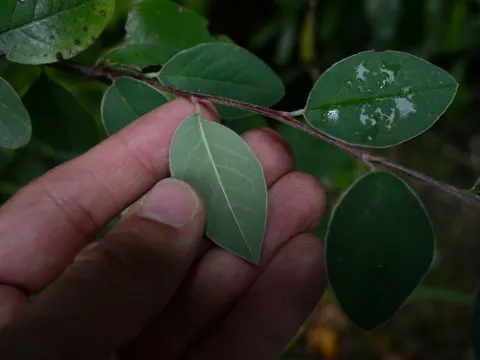
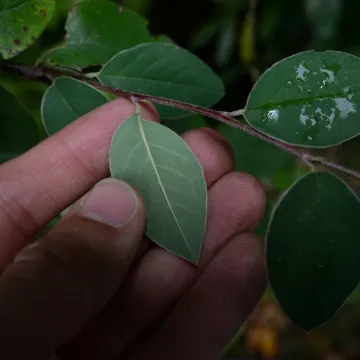
Botanically, it is a deciduous shrub characterized by arching branches and dark green, leathery leaves. The flowers are small, typically white or pinkish-white, appearing in late spring and attracting a wide array of pollinators. The most distinct feature is the abundant cluster of bright red to orange berries that persist on the branches well into the colder season, providing a significant ornamental interest.
Cultivation requirements are relatively straightforward, as the plant is adaptable to a variety of soil types, provided they are well-drained. It prefers sunny to semi-shaded positions to maximize fruit production. Maintenance involves occasional pruning to manage shape and density, and irrigation during periods of severe drought, especially in young plants. It demonstrates excellent tolerance to frost, making it suitable for colder climate zones.
The agricultural and landscape applications for Cotoneaster calocarpus are diverse:
- Formation of durable living fences and hedging.
- Soil stabilization on slopes and embankments.
- Wildlife conservation by providing winter food sources for local bird populations.
- Integration into mixed shrub borders for seasonal color contrast.
Common plant health issues include fungal diseases such as powdery mildew, which can be managed with proper spacing to ensure air circulation and fungicide application if necessary. Pests such as aphids and scale insects may occasionally infest the plant, particularly in the spring during active growth. Regular monitoring and integrated pest management practices are recommended to maintain the long-term health and vigor of the shrubs.
Photo gallery