
Brightbead cotoneaster
Cotoneaster glaucophyllus
Description
Brightbead cotoneaster (Cotoneaster glaucophyllus) is a significant ornamental shrub belonging to the Rosaceae family. Known for its year-round foliage and vibrant berries, this species is highly regarded by horticulturalists for its structural contribution to garden design.
The plant originates from China, naturally inhabiting mountainous and hilly regions. Its distribution as a cultivated crop extends to diverse climates where it is valued for its resilience and ability to thrive in various soil conditions, making it a staple in both private gardens and public park landscapes.
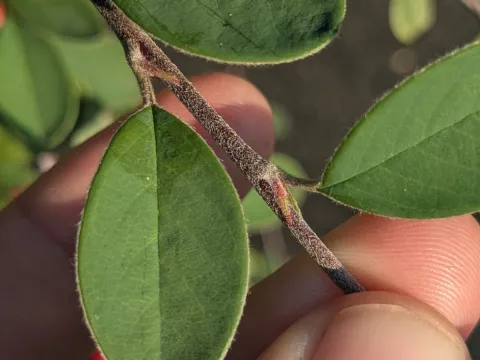
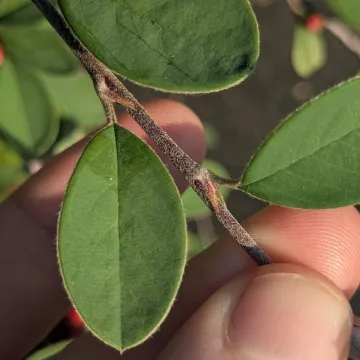
Botanically, it is characterized by arching, graceful branches and evergreen, elliptic leaves with a distinctive glaucous tint. During early summer, the shrub produces clusters of small, white flowers that serve as an excellent source of nectar for pollinators, eventually transforming into striking red berries in the autumn.
In terms of cultivation, this species prefers full sun to light shade and requires well-drained, fertile soil. Standard agronomic practices include routine pruning to encourage density, regular fertilization during the growth period, and adequate mulching to protect roots. It shows good adaptability to urban environmental stressors.
The primary horticultural applications for this shrub are diverse. Its main uses include:
- Forming impenetrable hedges and privacy screens.
- Providing ground cover for slopes to prevent erosion.
- Adding seasonal interest to borders through autumn berry displays.
- Serving as an ornamental focal point in group plantings.
Common health issues include susceptibility to powdery mildew and fusarium wilt if the soil drainage is inadequate. Pest threats, such as scale insects or aphids, may occur in stressed plants. Integrated pest management, including pruning for air circulation and timely chemical intervention, is essential for maintaining a healthy and vigorous plant population.
Photo gallery