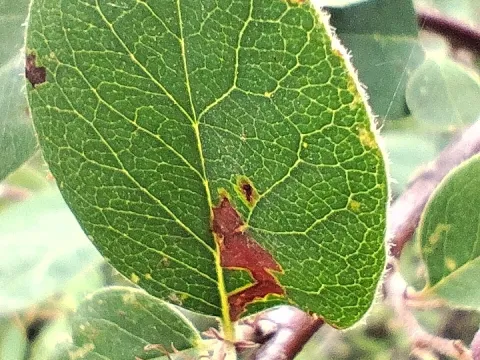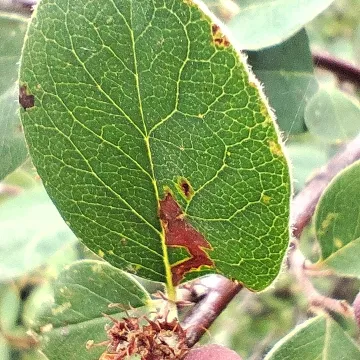
Grenada cotoneaster
Cotoneaster granatensis
Description
Grenada cotoneaster (Cotoneaster granatensis) is a perennial ornamental shrub belonging to the Rosaceae family. This species is highly valued for its elegant architecture, profuse spring blossoms, and vivid, garnet-colored berries that provide aesthetic appeal throughout the autumn and early winter months.
The plant originates from the mountainous regions of Spain and is naturally adapted to the Mediterranean climate. It has successfully spread into various cultivation areas where its hardiness and adaptability to different light conditions make it a preferred choice for residential and public gardening projects.
Botanically, it is characterized by dense, spreading branches covered with small, semi-evergreen or deciduous leaves. The small flowers typically appear in clusters, attracting pollinators, while the subsequent red fruits serve as a food source for local bird populations. Its root system is robust, contributing to the plant's overall resilience.
Regarding agrotechnics, the crop prefers well-drained, neutral-to-calcareous soils and full sun exposure to achieve optimal fruit production. While it is considered drought-tolerant once established, young plants require consistent irrigation. Pruning should be performed annually to maintain the desired shape and promote healthier growth cycles.
In terms of agricultural and horticultural use, it is primarily utilized for ornamental purposes. It serves as an excellent ground cover, a formal hedge, or a focal point in rock gardens.
- Resilience against urban pollution and heat.
- Low maintenance requirements once fully established.
- Exceptional visual appeal during the changing seasons.
- High resistance to common shrub diseases like powdery mildew.
Photo gallery