Many-flowered cotoneaster
Cotoneaster multiflorus
Description
The Many-flowered cotoneaster (Cotoneaster multiflorus) is a deciduous shrub species belonging to the Rosaceae family. It is highly valued in horticulture for its ornamental properties, characterized by its graceful, arching branches and prolific seasonal changes.
This species is native to mountainous regions of Western China, Central Asia, and parts of Siberia. Due to its robustness, it has been introduced into temperate climates worldwide, where it thrives in various environmental conditions ranging from urban parks to private landscapes.
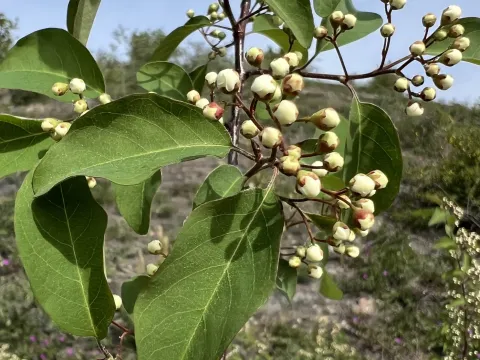
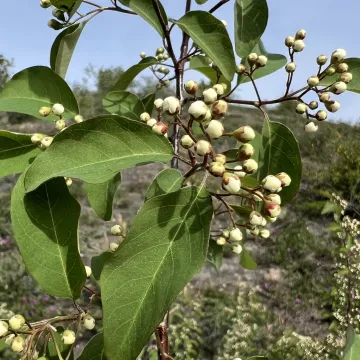
Botanically, the shrub grows up to 3 meters in height, exhibiting broadly ovate, dark green leaves that provide a lush appearance throughout the growing season. The plant produces an abundance of white flowers in late spring, which transition into conspicuous, bright red, globose fruits by late summer, offering high visual appeal.
In terms of cultivation, the Many-flowered cotoneaster is remarkably adaptable. It prefers well-drained, fertile soil but demonstrates high tolerance for poorer soil compositions. The plant is drought-resistant once established and thrives in full sun to partial shade. Standard agricultural practices include occasional pruning to maintain its shape and promote vigorous growth.
The primary use of Cotoneaster multiflorus is decorative, specifically for hedges, shrub borders, and erosion control on slopes. While it is generally hardy, gardeners should monitor for common pests such as aphids or scale insects and watch for signs of fungal issues like leaf spot. Proper site selection and ventilation significantly reduce the risk of these common plant diseases.
Photo gallery