Sikang cotoneaster
Cotoneaster sikangensis
Description
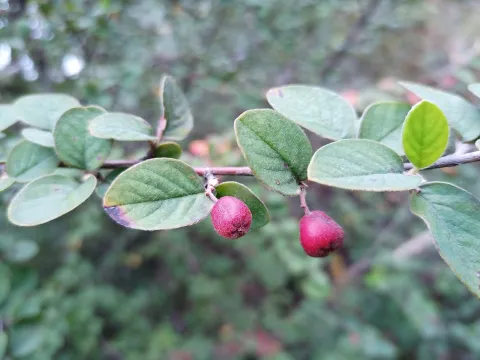
Sikang cotoneaster (Cotoneaster sikangensis) is a perennial ornamental shrub belonging to the Rosaceae family. This species is highly regarded for its dense growth habit, glossy foliage, and persistent berries, making it an excellent candidate for both private gardens and public landscape projects.
Native to the mountainous regions of China, specifically the Sikang area, this plant has evolved to thrive in diverse and sometimes harsh conditions. Its natural habitat includes rocky slopes and mountain meadows, which has endowed the species with significant hardiness and the ability to withstand temperature fluctuations.
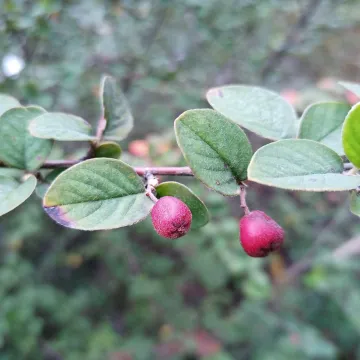
Botanically, the Sikang cotoneaster is characterized by its stiff, branching stems and small, dark green leaves that provide a lush texture. In the spring, it produces modest but charming flowers, followed by small, decorative fruits that remain on the branches into winter, offering a critical food source for local bird populations.
In terms of cultivation, the plant is relatively undemanding. It prefers well-drained soil and a position with full sun to partial shade. Once established, it shows remarkable drought tolerance. Regular pruning is recommended to maintain the desired shape and to remove any old or damaged wood, promoting denser growth and better flowering in the subsequent season.
The primary use of this plant is within landscape architecture, where it is valued for its versatility. It is frequently planted as a low hedge, a ground cover, or a structural element in rock gardens. Furthermore, its root system helps to stabilize soil on slopes, making it a functional choice for erosion control. Like many other cotoneasters, it is generally resistant to pests, though proper airflow is necessary to prevent fungal issues.
- Exceptional hardiness and wind tolerance.
- High ornamental value throughout the year.
- Low maintenance requirements once established.
- Excellent for soil stabilization and slope protection.
Photo gallery